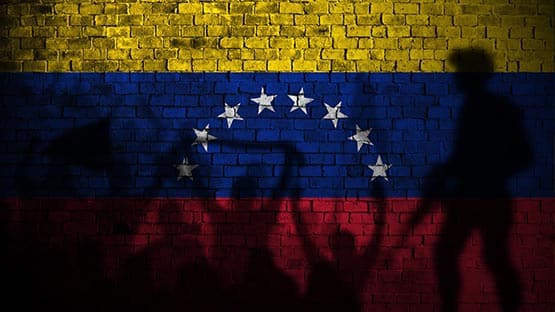
What happens in the aftermath of the removal of Venezuelan President Nicolás Maduro will ultimately determine how the the action is viewed by Americans and the world at large, according to a Virginia Tech political science professor.
“Justifiable concerns exist about the extent of coordination or planning for what would follow the attack, bringing to mind the so-called ‘Pottery Barn rule’ first coined by commentator Thomas Friedman: ‘You broke it, you own it,’” said Karen Hult, weighing in on the U.S. military’s capture. Colin Powell later used the phrase to warn the U.S. about invading Iraq.
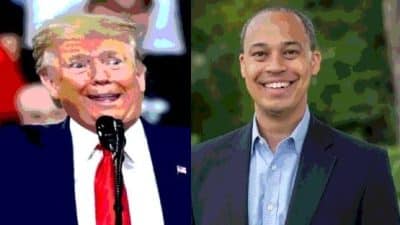
Associate Professor Paul Avey also weighed in saying the move could worsen relations between the U.S. and Venezuela.
“Historically, the U.S. has faced challenges in turning successful military operations into sustainable political gains,” Avey said. “Some research finds that imposing a new regime more frequently damages than improves relations.”
Prior to the U.S. military action, Maduro allegedly agreed to make major economic concessions, Avey said, but refused to leave office.
“Achieving political objectives by replacing a leader requires that new leaders maintain stability and negotiate either because they share interests or they fear a similar fate,” Avey said.
The U.S. is hopeful Venezuelan Vice President Delcy Rodríguez, now the acting president, will be willing to make additional concessions.
“Yet they are also hedging their bets by maintaining military options if Rodríguez does not align with U.S. policy,” Avey said.
ICYMI
- Trump authorizes capture of Venezuelan president on drug, weapons charges
- Ben Cline, Jen Kiggans praise Trump overthrow of Venezuelan government

Five GOP senators joined their Democratic colleagues in a vote on a war powers resolution that would require the approval of Congress before any future strikes in Venezuela.
“While I support the operation to seize Nicolás Maduro, which was extraordinary in its precision and complexity, I do not support committing additional U.S. forces or entering into any long-term military involvement in Venezuela or Greenland without specific congressional authorization,” said U.S. Sen. Susan Collins (R-Maine).
Even if the military action didn’t follow proper protocols, Hult said that similar incidents under previous administrations have had limited legal consequences.
“Actual presidential practice and judicial deference to elected officials, particularly presidents, in this instance and in similar U.S. military actions suggest the key concerns involve political and policy, rather than legal arguments,” she said.
Related stories
- Trump running interference for U.S. oil companies in Venezuela, at what cost?
- Denmark PM Mette Frederiksen to Donald Trump: Greenland is ‘not for sale’
- And the 2025 Nobel Peace Prize goes to | Someone other than Donald Trump
- Venezuelan family legally in the U.S.: ‘For most people, we are criminals’
Support AFP



 Share
Share

Crystal Graham