The Virginia Department of Health is using World Rabies Day, Sept. 28, to remind Virginians about the importance of vaccinations to avoid deadly outcomes.
Even though rabies is nearly 100 percent fatal, it is highly preventable, according to the Central Shenandoah Health District.
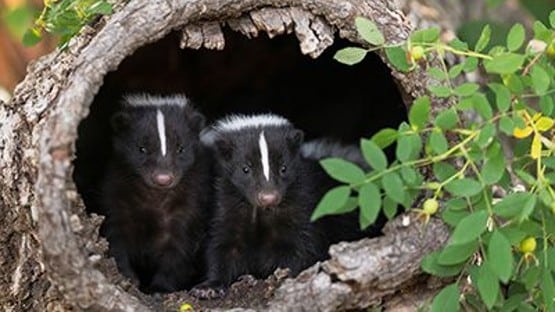
It is commonly found in Virginia in wild animals, such as raccoons, skunks and foxes.
So far this year, 151 animals have tested positive in Virginia. There have been a total of 16 animals testing positive in the counties of Augusta, Bath, Highland, Rockbridge and Rockingham, and the cities of Buena Vista, Harrisonburg, Lexington, Staunton and Waynesboro.
“Rabies is a fatal disease,” said Dr. Allison Baroco, acting health director for CSHD. “Vaccinating your pets protects them from other animals that might have rabies. Not only does vaccination prevent your pets from getting rabies, it prevents your pets from biting and spreading the virus to humans.”
Virginia law requires all dogs and cats four months of age and older be vaccinated by a licensed veterinarian.
CSHD: Tips to protect yourself and animals
- Do not feed stray animals. Report them to local animal control authorities by calling (540) 332-3842.
- Avoid wild animals, especially raccoons, bats, foxes and skunks.
- Do not handle sick, injured or dead animals. Instead, report these animals to the Department of Wildlife Resources.
- Teach children to avoid contact with wild animals and unfamiliar pets.
- Feed your pets indoors and do not let them wander.
- Keep wild animals out of your home by capping chimneys with screens.
- Block openings in attics, cellars and porches.
- Ensure trash cans have tight fitting lids.
- Make sure your pets are vaccinated against rabies and their shots are up to date.
- Talk with your healthcare provider before traveling overseas to see if rabies vaccinations are recommended.
Possible exposure to rabies?
Anyone potentially exposed to a rabid animal should notify their healthcare provider immediately. Exposure includes any bites, scratches or contact with saliva.
- If you are bitten by a wild or stray animal, do not panic.
- Wash animal bite wounds thoroughly with soap and water to decrease the chance of infection.
- Contact your healthcare provider or the Central Shenandoah Health District for further recommendations.
- If your pet is attacked or bitten by an animal, contact Staunton Animal Control at (540) 332-3842 or the Staunton-Augusta Health Department at (540) 332-7830.
For more information on rabies, visit the Virginia Department of Health website.
Related stories
- Raccoon in Mechanicsville tests positive for rabies; health officials track exposure
- Cat in Virginia tests positive for rabies in Mechanicsville subdivision
- Vampire bats may soon travel to United States; bringing rabies, danger to livestock with them
Support AFP


 Share
Share

Crystal Graham