Dear EarthTalk: I was appalled to find out on a recent backpacking trip to Yosemite National Park that I could get three bars of service on my cell phone. What about getting away from it all?— James P., Seattle, WA

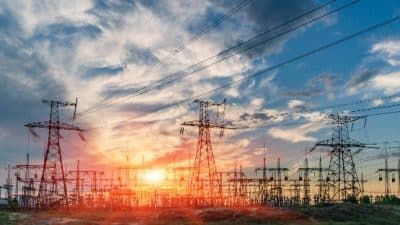
Cell service in national parks has become a flashpoint in recent years as cellular providers compete to blanket the U.S. with coverage—even in remote, traditionally off-grid areas. On one side of this most modern of environmental debates stand wilderness buffs, who liken letting cell towers into national parks as no different from letting other forms of industrial development into these most sacred of wild and natural places. On the other side are those who say cell coverage in otherwise off-grid areas will help attract a new generation of (screen-addicted) young people to our parks and wildlands while also making it easier for first responders to save the lives of those who get into trouble in the backcountry.
“Cell phone towers have sprouted up in national parks across the country because the National Park Service (NPS) lacks any coherent policy and instead lets telecommunications companies decide where and how many towers will be constructed,” says Jeff Ruch of the non-profit Public Employees for Environmental Responsibility (PEER), which has been leading the charge against expanding cell service on public lands. “As a result, the incessant chirp of the cell phone can be heard in the wild backcountry as well as at iconic places like Old Faithful.”
To date, only four out of 401 national park units (Golden Gate, Rock Creek Park, Lake Mead, and Yellowstone) have adopted a plan for cell towers or wireless communication within their boundaries. At Yellowstone, the first national park in the U.S. system and the second largest in the Lower 48, park managers have recommended a moratorium on the installation of new wireless infrastructure and reducing or relocating some cellular installations that are visible to park visitors. The CellularMaps.com website reports that NPS has restricted any new or relocated facilities to “provide no more cellular coverage than is already available and no service can be expanded into designated Wilderness areas.”
But elsewhere, NPS has been quietly working with cellular providers to greatly expand “connectivity” inside park boundaries—not just at visitor centers but along park roads and at trailheads. “This stealth scheme to wire our national park system has advanced without public involvement,” reports Ruch. “It will mean more ugly cell towers marring park vistas and ‘spill-over’ coverage in wilderness and backcountry.”
“Part of the point of wilderness is the ability to be disconnected and feel alone, but if somebody on the same trail can order a pizza, or sell stock, or chase Pokemon, that takes away from the visitor experience,” he says. While some cellular providers have expressed interest in directing their signals away from backcountry areas, PEER and others consider it to be too little, too late—and would instead prefer binding legislation that forces parks and companies to work together to make sure at least the wildest and remotest areas are free of cell signals.
“Parks should remain unplugged from the modern world,” says Ruch. “Experiencing the wonders of nature should not require a smartphone.”
CONTACTS: PEER, www.peer.org; CellularMaps.com, www.cellularmaps.com.
EarthTalk® is produced by Roddy Scheer & Doug Moss for the 501(c)3 nonprofit EarthTalk. To donate, visit www.earthtalk.org. Send questions to: [email protected].



 Share
Share