The weather is a key factor in motorcycle safety. Riding in poor weather is much more hazardous for motorcycles than for cars because they are more vulnerable to it. Riders can be at risk from rain, fog, wind, and extreme heat if they do not take appropriate precautions.
Understanding how various weather conditions affect road safety can help motorcyclists make informed choices and minimize the risk of accidents.
Rain and wet roads
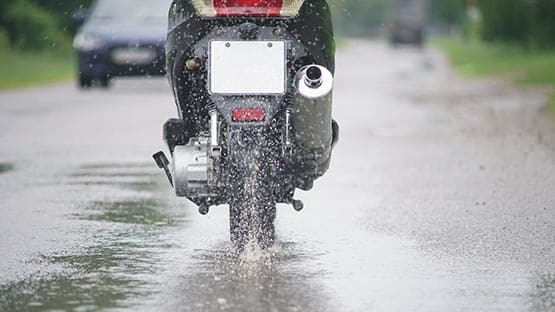
One of the worst situations for a motorcyclist is riding in the rain. Roads are wet, and tires lose grip, making it easier for motorcycles to slip and skid. There is also a greater braking distance, which means that riders will require additional time to come to a safe stop.
Potholes, road cracks, and uneven surfaces can be concealed by puddles, which can lead to a loss of control. Riders should be extra cautious and ride at reduced speeds, avoid sudden braking, and increase following distance while riding in the rain.
Fog and low visibility
Fog adversely affects visibility for both riders and drivers. Under these circumstances, object distance, speed, and road obstacles are more difficult to estimate.
Fog makes it even more difficult for motorcycle riders to see other drivers, who are already less likely to see them than cars. These risks can be minimized by using headlights, wearing reflective clothing, and maintaining a safe distance.
Strong winds
Motorcyclists should be aware of strong winds, which can be unpredictable and dangerous. Strong side winds and sudden gusts can cause the motorcycle to become unstable, particularly on open roads, highways, or bridges.
Large vehicles driving near can also generate pressure, which can impact stability. Windy times require riders to be extra cautious, slow down, and hold onto the handlebars tightly.
Extreme heat
High temperatures can pose great dangers too. Long-distance training at hot temperatures can cause dehydration, fatigue, and decreased attention. Heat exhaustion can impair reaction times and judgment in severe cases.
Riders should drink plenty of water, take frequent rests, and, if possible, avoid riding during the hottest hours.
Slippery road surfaces
Road surfaces are often wet and slippery due to the weather, which can cause accidents. The mixture of oil and rainwater, wet leaves, mud, or standing water may diminish traction and lead to sudden slips on motorcycles.
These conditions pose a particular risk when it rains for the first few minutes of the day because the roads are very slippery.
Even experienced riders can lose control if they do not adjust their speed and riding behavior. In serious accident cases caused by slippery roads, determining responsibility and insurance coverage can become complicated.
In such situations, speaking with a motorcycle injury lawyer in Columbus helps riders understand their legal rights and pursue fair compensation for medical bills, vehicle damage, and lost income.
Reduced reaction time in bad weather
This is not a speeding up of the reaction time in bad weather conditions, as that would be a safety risk.
Evaluation of reaction time and decision-making skills is impaired due to bad weather. Limited visibility and slippery surfaces make it difficult to respond quickly to sudden changes in traffic.
To prevent collisions, a safe following distance and a slower speed become necessary.
Importance of protective gear
Proper riding gear becomes even more important in bad weather conditions. Waterproof jackets, gloves, and non-slip boots enhance comfort and control. Anti-fog visors keep rain and fog from obscuring the driver’s view in helmets.
Wearing the correct protective gear helps minimize the severity of any injuries and boosts confidence in managing difficult riding conditions.
Conclusion
Weather conditions have a major impact on motorcycle safety. When riders are not careful, rainy weather, fog, wind, heat, and slick road conditions all pose the risk of accidents. Motorcyclists can minimize the risk of accidents and remain safer on the road by modifying their riding habits, wearing appropriate safety equipment, and being vigilant.
This content is provided for informational purposes only and is not a substitute for professional advice. AFP editorial staff were not involved in the creation of this content.


 Share
Share