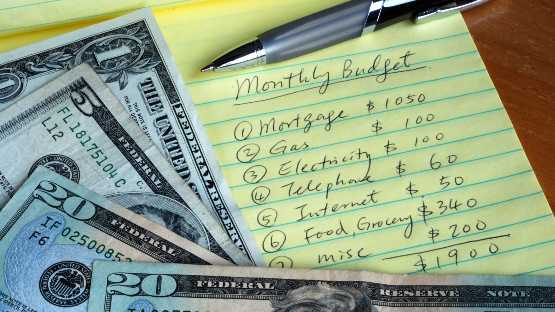
Inflation may be cooling on paper, but many Virginians are still not seeing much relief at the grocery store, the gas station or in their monthly housing costs. The latest Consumer Price Index report suggests some of the price pressures that pushed inflation higher over the past few years are beginning to ease. Yet across communities in the Shenandoah Valley and throughout Virginia, many everyday expenses remain elevated. Gasoline, housing, groceries, and healthcare continue to follow different paths, creating a disconnect between national economic reports and what many consumers experience from month to month. This pattern is becoming increasingly visible in household budgets. Some expenses have started to stabilize, while others remain stubbornly high.
Why inflation data and everyday costs don’t always match
According to the U.S. Bureau of Labor Statistics, the Consumer Price Index rose 0.5% in May 2026, while core inflation, which excludes food and energy, increased by a more modest 0.2%. Economists often focus on core inflation because food and fuel prices can fluctuate sharply due to short-term factors.
For households, however, those categories are often among the most visible and unavoidable expenses. A commuter may notice rising gasoline prices before anything else, while renters, retirees, and families may be more affected by changes in housing, utility, grocery, or healthcare costs. This gap between how inflation is measured and how it is experienced helps explain why official figures can sometimes feel disconnected from everyday budgets.
Inflation data is also closely watched by participants in online trading, as changes in consumer prices can influence expectations for interest rates, spending, and broader economic conditions. Housing and energy costs often attract particular attention because they are recurring expenses that are difficult to reduce when prices rise.
Why Virginia’s experience may look different
National inflation figures provide a broad economic snapshot, but local spending patterns often have a greater impact on household budgets.
In much of the Shenandoah Valley, reliance on driving means fuel costs can have an outsized effect on day-to-day expenses. Housing pressures also vary significantly between communities, with Charlottesville residents facing different affordability challenges to many smaller Valley towns.
Individual circumstances matter too: Retirees, renters, and families often feel inflation in different ways because the expenses that make up the largest share of their budgets are not the same.
Where residents continue to feel pressure
Housing remains one of the most persistent sources of higher costs. Rent and other shelter-related expenses often take longer to cool than other parts of the economy, which means many residents continue to face elevated costs even when broader inflation measures improve.
Fuel prices remain another concern as they can change rapidly, and commuters often notice those shifts almost immediately.
Food costs present a mixed picture. Grocery prices and restaurant prices do not always move together, which can make inflation feel inconsistent from one household to another.
Most people do not face major medical expenses every day, but even modest increases can have a meaningful effect on monthly finances when those costs arise.
The regional picture
Inflation has not eased evenly across the country. The South region CPI-U increased 3.6 percent over the 12 months ending in April 2026, up from 3.0 percent the previous month. For Virginia residents, that serves as a reminder that local experiences do not always mirror national trends.
Communities that depend heavily on driving may feel energy costs more intensely. Areas facing housing shortages may continue to experience elevated shelter expenses. Charlottesville’s affordability challenges can also look very different from those facing neighboring Shenandoah Valley communities.
Improvements in one area of spending can easily be offset by rising costs elsewhere.
What Virginia residents should take away
The latest CPI report contains some encouraging signs, particularly beneath the headline numbers. Still, it does not mean costs are falling across the board.
What it does show is that inflation is becoming increasingly uneven. Some expenses are stabilizing, while others continue to rise faster than many consumers would prefer.
For people managing monthly budgets, the most important changes are often found in recurring expenses. Housing, transportation, food and healthcare continue to account for a significant share of household spending, making those categories especially important to watch.
Why inflation feels personal in 2026
Inflation in 2026 is no longer captured by a single national figure. Its impact depends on individual circumstances, with commuting costs, housing, and everyday essentials shaping budgets differently across households. For many Virginia residents, this helps explain why official reports may show improvement while day-to-day financial pressure still feels unchanged, and monthly expenses continue to feel difficult to manage.
This content is provided for informational purposes only and is not a substitute for professional advice. AFP editorial staff were not involved in the creation of this content.


 Share
Share