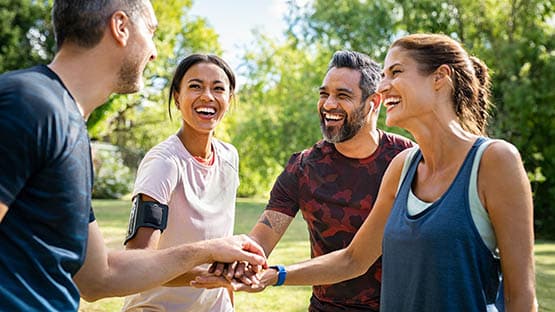
Amateur sports clubs play an important role in communities across the UK. They bring people together, encourage physical activity and provide opportunities for friendship and teamwork. However, in some sporting environments, alcohol has long been intertwined with social events and club traditions. While enjoying a drink responsibly is a personal choice, a culture that encourages excessive drinking can have negative consequences for both individuals and clubs.
Often, such social situations can be contributing factors towards addiction, often leading down a dark pathway that can only be addressed through alcohol rehabilitation and treatment. So, by promoting healthier attitudes towards alcohol, amateur sports clubs can create more inclusive, supportive and positive environments for their members.
Understanding the link between sport and alcohol
For many people, sport and socializing go hand in hand. Post-match drinks, club celebrations and fundraising events often involve alcohol and can help strengthen relationships between teammates. However, problems can arise when heavy drinking becomes normalized or is viewed as an essential part of club life.
A culture that encourages excessive alcohol consumption can increase the risk of accidents, injuries and poor mental wellbeing. It may also discourage participation from individuals who choose not to drink, including younger members, people in recovery and those with religious or personal reasons for avoiding alcohol.
Creating a healthier drinking culture does not mean removing social activities altogether. Instead, it involves promoting balance and ensuring that alcohol is not the focus of every event.
Encouraging inclusive social activities
One of the most effective ways to change attitudes towards drinking is to provide a wider range of social opportunities. Clubs can organise activities that do not revolve around alcohol, such as family fun days, quiz nights, charity events or group fitness challenges.
Offering alcohol-free options at social gatherings can also help ensure that everyone feels welcome and included. When members have the opportunity to socialize without pressure to drink, clubs become more accessible to a broader range of people.
Inclusive events can strengthen team spirit and demonstrate that meaningful connections can be built without relying on alcohol.
Leading by example
Club leaders, coaches and senior players have a significant influence on club culture. Their attitudes and behaviors often shape what is considered acceptable within the organization.
When leaders promote responsible drinking and avoid encouraging excessive alcohol consumption, they send a positive message to other members. Simple actions, such as ensuring that non-alcoholic drinks are readily available or supporting alcohol-free events, can help shift perceptions over time.
Creating an environment where members feel comfortable declining alcohol without judgement is equally important.
Providing education and awareness
Many people are unaware of the impact that excessive drinking can have on both physical performance and overall health. Amateur sports clubs are well placed to provide information about responsible alcohol consumption and its potential risks.
Educational sessions or awareness campaigns can highlight topics such as the effects of alcohol on recovery, sleep, mental health and athletic performance. Encouraging open conversations about alcohol can also help reduce stigma and make it easier for members to seek support if they are struggling with their drinking habits.
By promoting awareness, clubs can empower individuals to make informed decisions about alcohol.
Developing positive club policies
Establishing clear policies around alcohol can help create a healthier and safer environment. This may include guidelines for club events, expectations regarding responsible behavior and measures to protect younger members from inappropriate drinking cultures.
Policies should be practical and supportive rather than punitive. The aim is to encourage healthy choices while ensuring that all members feel respected and valued.
Regularly reviewing club practices and seeking feedback from members can help ensure that policies remain relevant and effective.
Supporting member wellbeing
Promoting healthier drinking cultures is ultimately about supporting the wellbeing of everyone involved in the club. Excessive alcohol consumption can affect physical health, relationships and mental wellbeing, all of which can influence participation in sport.
Clubs that prioritize wellbeing often benefit from stronger team relationships, improved member retention and a more positive reputation within the community. By creating environments that encourage healthy choices and inclusive social experiences, amateur sports organizations can make a meaningful difference in the lives of their members.
Amateur sports clubs have the opportunity to shape attitudes towards alcohol in a positive way. By encouraging inclusive activities, providing education and leading by example, clubs can move away from cultures that normalize excessive drinking. Promoting healthier relationships with alcohol not only benefits individual members but also helps create stronger, safer and more welcoming sporting communities for everyone.
This content is provided for informational purposes only and is not a substitute for professional advice. AFP editorial staff were not involved in the creation of this content.

 Share
Share