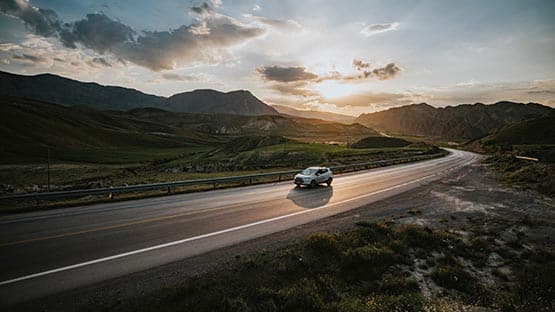
Mountain roads punish weak choices fast. A low bid looks exciting until the first cold climb reveals worn tire edges, tired brakes and poor traction. Virginia buyers face steep grades, fast weather shifts and rural curves that expose every shortcut taken at auction.
SCA lists repairable and salvage vehicles for public buyers, with no dealer license required to bid. That matters for shoppers comparing car auctions in Virginia, since auction research opens access to more inventory while still demanding careful checks on title status, photos, fees, storage rules and transport costs.
Why mountain buying needs auction discipline
Mountain driving is not only about power. A vehicle must start cleanly, climb steadily and slow with confidence. One buyer near Staunton once chased a shiny suv with a low opening bid. Photos hid uneven tire wear. The first trip toward a snowy trailhead turned tense. A second buyer chose a plain Toyota with better records. That purchase felt less exciting on auction day, then made better sense every week.
A good auction car for mountain roads needs traction, ground clearance and predictable steering. Strong photos help. A history report helps more. A test drive helps most when allowed.
What to check before bidding
| Auction detail | Why it matters for mountain travel |
| Title type | Salvage history affects insurance and resale |
| Photos | Underbody damage appears near wheels and rocker panels |
| Mileage | High use can strain brakes and suspension |
| Run status | Non running lots add repair risk |
| Drive layout | awd, 4wd and rear-wheel drive behave differently |
| Fees | Final cost changes after buyer fees and transport |
A used car with clean paperwork and honest wear beats a rough luxury badge. Mountain conditions reward function first. A sedan works for paved commutes when fitted with winter tires. Still, many buyers prefer suvs because height and cargo space support trips, pets, tools and gear.
AWD and 4WD are not magic
All-wheel drive helps a vehicle move from a stop. It does not shorten every stop on snow and ice. The braking system, the type of tires and the driver’s ability to judge speed will continue to be important factors for your safety. In addition, NHTSA’s 5-star safety ratings provide an easy way for consumers to compare the relative safety of different vehicles, and so does the Insurance Institute for Highway Safety, which provides ratings of cars based on make and model.
An awd system sends power to more wheels without much driver input. Traditional 4-wheel drive or four-wheel drive often suits rougher routes, especially when a truck has low range. For auction shoppers, awd or 4wd should trigger more questions. Does the system engage? Are warning lights visible? Do all tires match?
Models Virginia buyers often compare
Subaru has a strong mountain image because standard all-wheel drive appears across many models. The Subaru Outback blends wagon space with ground clearance. The Subaru Forester adds visibility and simple packaging. Kelley Blue Book has ranked the Outback among strong choices for snow driving, which explains its auction demand.
Toyota brings trusted names. The 4Runner feels rugged. The Land Cruiser carries serious off-road heritage. The Toyota Tacoma suits work routes and weekend trails. A pickup truck adds tow strength, while a Toyota Tacoma can appeal to buyers who need a bed and mountain confidence.
Honda, Nissan and Jeep also appear often. The Jeep Grand Cherokee brings power and comfort. A Nissan crossover may offer lower bids. A Honda SUV can fit family use. The right choice depends on repairs, records and road conditions.
Power, grip and real costs
Do not bid on horsepower alone. Torque helps on climbs, yet control matters more. A turbocharged engine can feel lively. A v6 can pull hard. A 4 cylinder provides possibly better fuel efficiency, lower parts cost to upkeep. Hybrid Powertrain or Plug-in Hybrid works well with short commutes around Mountain Towns. However an EV needs charging facilities before travelling to Mountains. Therefore fuel economy is a priority. Gas mileage falls on steep grades. Heavy tires and roof racks cut range. A buyer who ignores fuel cost may regret a winning bid by the second month.
Auction checklist for mountain buyers
- Check title history before emotion enters the bid.
- Study wheel photos for mismatched tire brands.
- Look under bumpers for off-road scars.
- Review ground clearance against real routes.
- Confirm traction control and stability control warning lights are off.
- Compare towing capacity with actual needs.
- Price transport from the auction yard before bidding.
- Set a ceiling and stop when the number stops working.
Off-road capability sounds attractive, yet it must match real use. A weekend ski trip does not require a trail rig with hidden frame damage. Mountain terrain asks for balance. Calm steering. Clean brakes. Reliable heat. Clear glass. Sensible repair costs.
How to match vehicle type to life
| Buyer need | Better auction target |
| Daily valley commute | fuel efficient crossover |
| snowy mountain cabin access | higher clearance 4wd model |
| Family road trips | midsize SUVs with rear seats that fold |
| Work gear and trailers | truck with tow rating |
| Mixed pavement and gravel | cars and SUVs with all-terrain tires |
New cars provide warranties, yet auction inventory can lower purchase cost. A new vehicle also loses value fast. Auction buyers trade certainty for price. That trade works only when research stays strict.
The best SUVs for this region share three traits. They grip well. They stop cleanly. They carry people and gear without drama. Features like drive mode control and hill descent control add value when roads get steep.
Red flags that kill a deal
Skip listings with flood clues. Wet carpets, cloudy lights and corroded seat rails bring trouble. Avoid lots with missing keys unless the discount is huge. Be careful with rear damage on SUVs and trucks because cargo floor repairs hide poorly.
Damage near suspension mounts deserves concern. So does uneven ground clearance from side to side. A clean hood photo means little if the underbody has taken a hard hit.
Conclusion
Auction cars for mountain travel need more than a tempting bid. Virginia buyers should read the listing, check photos, study fees and match the vehicle to real routes. Subaru, Toyota, Honda, Nissan and Jeep each offer useful choices. The winning move is not chasing the flashiest lot. It is choosing traction, clearance, safety records and repair math before the auction clock runs out.
This content is provided for informational purposes only and is not a substitute for professional advice. AFP editorial staff were not involved in the creation of this content.


 Share
Share