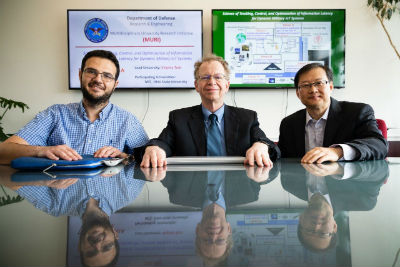
Research team to study information latency with $7.5M DOD grant

 Share
Share
Information latency is a measure of how quickly or slowly networked devices transmit information.
 Share
Share
Information latency is a measure of how quickly or slowly networked devices transmit information.
 Share
Share
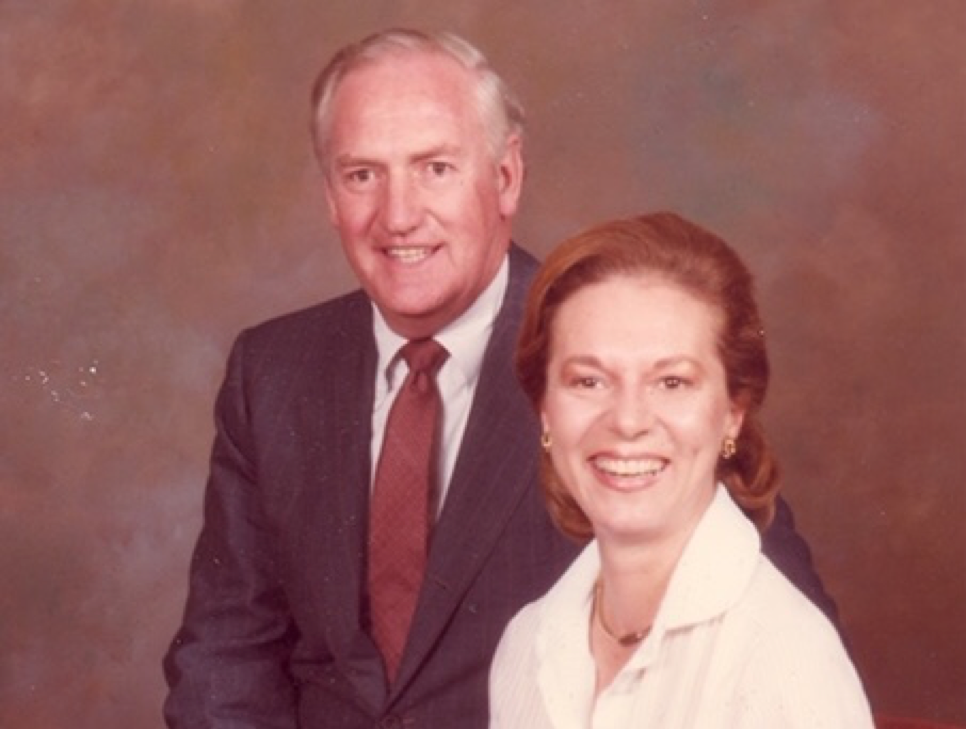
The William Jacob and Barbara Boyle Lemon family has made a $1 million gift to the Fralin Biomedical Research Institute at VTC.

 Share
Share
The Virginia Tech Transportation Institute will receive $15 million in federal funding to support research on safe automated driving integration.
 Share
Share
A three-year, $300,000 grant from the National Science Foundation will allow 18 students from Eastern Mennonite University and nearby colleges to gain cross-cultural and research experience – in Australia. The grant will fund the “Tephritid fruit fly Multidisciplinary Australian Research Collaboration for Biosecurity” (T-MARC-BIO) initiative, which is led by EMU chemistry Professor Matthew Siderhurst. Tephritid fruit…
 Share
Share
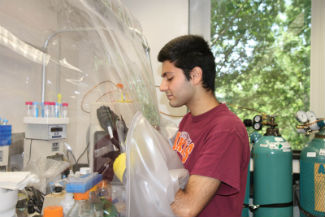
Virginia Tech sophomore and biochemistry major Taylan Tunckanat is characterizing enzymes to understand how methane-producing microorganisms are able to survive in environments with high concentrations of salt.
 Share
Share
A group of senators has asked the USDA to explain its decision to reduce payments to employees who have declined to relocate to Kansas City following the Trump Administration’s slapdash decision to move the two key research agencies out of Washington D.C.
 Share
Share
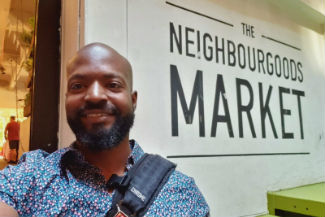
Davon Woodard will spend the 2019 fall academic semester as a visiting scholar at the University of the Witswatersrand in Johannesburg, South Africa.
 Share
Share
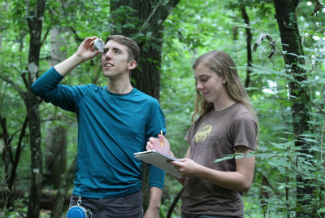
Two students in the College of Natural Resources and Environment have spent the summer surveying of a section of forest located on the southwestern corner of Virginia Tech’s campus, on the west side of Route 460.
Share
Researchers from Virginia Tech received a $2.9 million award from the National Science Foundation and the National Natural Science Foundation of China to understand the long-term host and pathogen dynamics of white-nose syndrome in bats.
 Share
Share
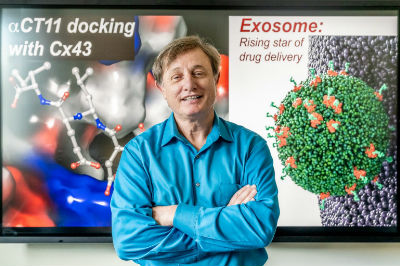
Imagine there were a drug that you could take soon after a heart attack that could reduce damage by protecting healthy heart muscle tissue.


Independent media doesn’t belong to billionaires or big companies – it belongs to you. If you find value in our work, please consider a contribution.