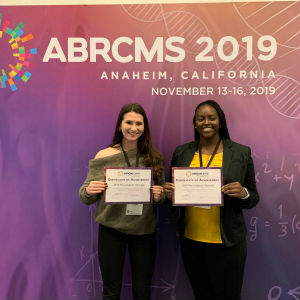
Researchers combine technologies to resolve plant pathogen genomes
Plant scientists can learn more about the function and evolution of highly destructive plant pathogens that refuse to be tamed by fungicides, antibacterial, and antivirals.

Plant scientists can learn more about the function and evolution of highly destructive plant pathogens that refuse to be tamed by fungicides, antibacterial, and antivirals.

The number of Virginians who telecommute is up 43 percent since 2010, according to research from Hamilton Lombard at the University of Virginia’s Weldon Cooper Center for Public Service.

Wetlands in the Intermountain West, a region nestled between the Rocky Mountains, the Cascade Range, and the Sierra Nevada, are home to a diverse range of flora and fauna.

In 2006, more than 400 children under the age of 5 died during an outbreak of diarrheal disease in Botswana.

A $1.2 million grant from the National Science Foundation will empower a pair of Virginia Tech professors to provide the tools for the next generation of scientists that will tackle big data sciences challenges.

Rep. Don Beyer (D-VA) today hailed the passage of the substance of his Protecting Access to Information for Effective and Necessary Treatment (PATIENT) Act in the House’s end-of-year domestic funding package.

Congressman A. Donald McEachin (VA-04) announced a grant award of $207,907 from the Department of Health and Human Services to Virginia Commonwealth University for cancer treatment research.

A Virginia Tech expert has tips for dinner-table conversations around contentious issues over the holidays.

JMU psychology professor Jaime Kurtz approaches New Year’s resolutions from a research-based perspective.

Breathing noisily, a 14-year-old dog stood in the corner of an examination room at the Virginia-Maryland College of Veterinary Medicine’s Veterinary Teaching Hospital.
Our content is free to read, but we do have bills to pay. Pitch in and help us keep the community informed.