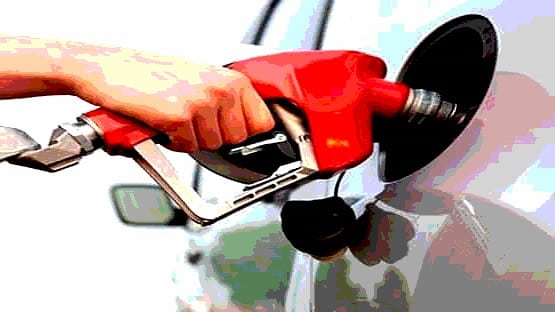
The attempt by the U.S. to seize the Venezuelan oil industry isn’t going to pay off for you at the gas pump anytime soon, if ever.
“Some Americans believe gasoline prices could be impacted in a significant way, but I’m here to throw a bit of cold water on that. Even under the most optimistic outcomes, it could take years of positive developments for additional supply to meaningfully move the needle, and the impact on U.S. gasoline prices may ultimately be limited,” said Patrick De Haan, the head of petroleum analysis at GasBuddy.
ICYMI
- Trump authorizes capture of Venezuelan president on drug, weapons charges
- Ben Cline, Jen Kiggans praise Trump overthrow of Venezuelan government
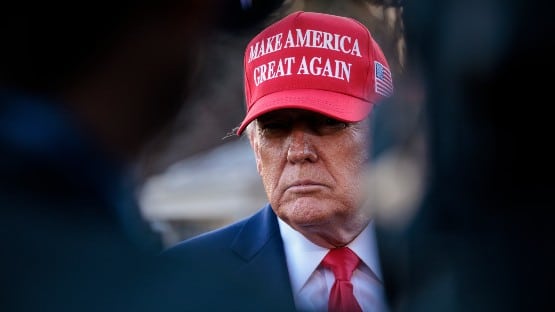
If you were wondering what the Venezuela thing was all about, Donald Trump told reporters on Air Force One Sunday night, as he returned from a two-week vacation to Florida, that his administration had tipped off U.S. oil companies before the operation in Venezuela that removed President Nicolas Maduro from power, on the pretense that he had been indicted on drug and weapons charges in the U.S.
“Before and after,” Trump said, of the coordination with the U.S. oil sector. “They want to go in, and they’re going to do a great job for the people of Venezuela, and they’re going to represent us.”
Trump has insisted that the U.S. will somehow “run” Venezuela with Maduro now in U.S. custody, though the country’s vice president, Delcy Rodriguez, has stepped in as the acting leader of the nation’s government, confirmed as such by the Venezuelan Supreme Court.
Rodriguez called the U.S. coup “barbaric” and “illegal and illegitimate,” but left the door open for “respectful relations” going forward.
Trump, for his part, responded with a not-at-all veiled threat:
“If she doesn’t do what’s right, she is going to pay a very big price, probably bigger than Maduro,” Trump told The Atlantic in an interview on Sunday.
If this wasn’t already clear, it’s not about drugs; it’s about the oil.
Venezuela has 20 percent of the world’s now oil reserves, more than Saudi Arabia, more than six times what we have available in the U.S.
The country only produces a million barrels per day, though, due to crippling international sanctions that have hampered the country’s infrastructure.
The state-owned oil and natural gas company PDVSA hasn’t updated its pipelines since Venezuela nationalized its oil reserves in 1976, and PDVSA has pegged the cost to update the infrastructure to return to peak production levels at $58 billion, though U.S. analysts are projecting the costs to come closer to the range of $100 billion over the next decade.
“Right now, what we want to do is fix up the oil, fix up the country, bring the country back, and then have elections,” Trump said Sunday night, adding later: “We need total access. We need access to oil and to other things in their country that will allow us to rebuild their country.”
Video: Trump in Venezuela
Support AFP



 Share
Share

Chris Graham