If the war in Iran ended today, the impact on our economy would still be felt months out, according to Virginia Tech economics expert David Bieri.
“Iran has done something that even the most pessimistic Gulf security analysts did not anticipate: in retaliation for the joint U.S.-Israeli strikes, Tehran launched an unprecedented barrage of missiles and drones, hitting energy infrastructure, civilian airports, and emblematic luxury districts,” said Bieri, naming as the most economically harmful result of the Iranian counterattack the strikes on Qatar’s key liquefied natural gas facility, cutting about 17 percent of output, with an estimated time frame for repairs running out as much as five years into the future.
“The physical disruption is compounding the shock, as oil and gas storage facilities in the Gulf are rapidly filling, forcing oilfields in Iraq and Kuwait to cut oil production, and after a ceasefire is reached, field restart timelines are measured in weeks to months,” Bieri said.
There’s where I say, war ends today, we’re months away from getting back to where we were pre-war.
For all the churning here in the States over the price of gas, which is up a dollar a gallon since the start of the war a month ago, we’re going to see prices of everyday goods spike, with diesel surging to $5.36 a gallon at this writing, up $1.61 a gallon since the start of the war.
ICYMI
The impact of that on our everyday goods, also months out, whenever the war ends.
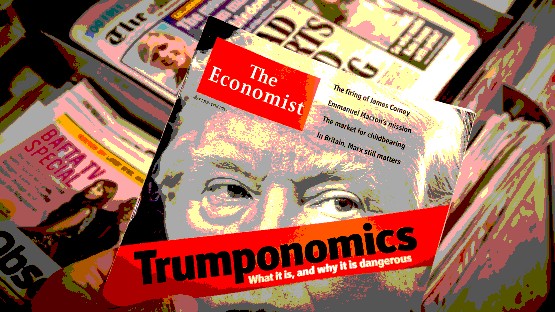
We were already feeling inflationary pressures from the ill-conceived Trump tariffs, on the heels of market corrections post-pandemic shutdowns.
Remember that it was the price of eggs that was a big factor in Trump winning the 2024 election, quaint as that seems now.
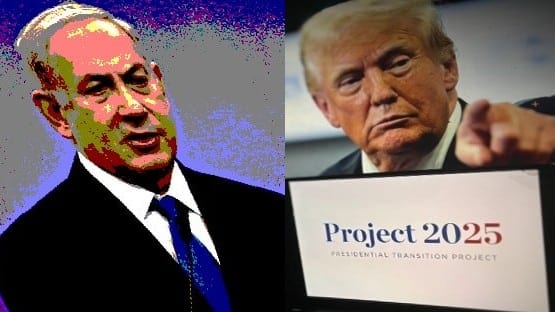
Against that backdrop, the Trump inner circle let itself get dragged into fighting a war that Benjamin Netanyahu wanted to take pressure off himself politically in Israel, without giving thought to how Iran would respond – and what that response would do to global markets.
And now Team Trump is feeling the heat domestically, leading to the unbelievably just plain dumb move to remove longstanding sanctions on the sale of Iranian and Russian crude oil, which Bieri says “constitute a geopolitical own goal of the first order.”
“On the Iranian side, the geopolitical irony is stark: the United States launched the largest military operation in the Middle East since 2003, and within two weeks was replenishing the war chest of the country it has spent three years trying to economically isolate. Meanwhile, the Iran shock, combined with sanctions relief, has handed Moscow a financial lifeline to counter its steep budget deficit it could not have engineered on its own. As Putin’s Kremlin put it with characteristic precision, ‘Our interests coincide,’” Bieri said.
Support AFP


 Share
Share

Chris Graham