Most home repair bills are avoidable. Not all of them – systems wear out, parts fail, and some things just need replacing over time. But a significant share of the expensive calls that homeowners make to plumbers and HVAC technicians come from problems that started small, went unnoticed, and compounded until they couldn’t be ignored anymore.
Regular maintenance doesn’t eliminate every problem. It does change when you find out about them.
Start with the systems that cause the most damage when they fail
Plumbing and HVAC failures tend to fall into two categories: the kind that are immediately obvious and the kind that go on quietly for weeks or months before anyone notices. The second type is almost always more expensive.
Water is the main culprit. A slow drip under a sink, a failing wax seal on a toilet, or a pinhole leak in a supply line behind a wall can cause significant structural damage long before the stain appears on the ceiling below.
Homeowners in areas with older housing stock or high mineral content in the water – like those who rely on services such as KC’s 23 ½ Palm Springs for aging systems in desert climates – know that proactive checks matter more than reactive fixes.
The same principle applies to HVAC. A system running with a clogged filter, low refrigerant, or a heat exchanger that’s starting to crack isn’t going to announce the problem. It’ll just work harder, cost more to run, and eventually stop working – usually at the least convenient time.
Plumbing: What to check and how often
Most homeowners have a passing familiarity with their plumbing system but haven’t actually looked at most of it since they moved in. A once-a-year walkthrough takes less than an hour and catches most of what causes problems.
Things worth checking on a regular basis:
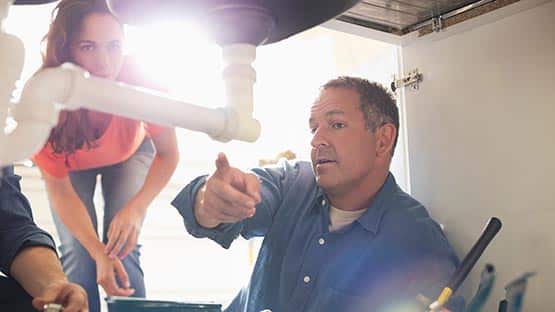
- Under every sink: Look for moisture, staining, or soft spots on the cabinet floor. A slow drip from a supply line or drain connection often goes unnoticed until the cabinet floor gives out. Wipe the pipes dry and come back the next day if you’re not sure whether what you’re seeing is active or old.
- Toilet base and connections: Rocking, soft flooring around the base, or water appearing after flushing points to a failing wax seal. Catching this early means a straightforward repair. Catching it late means subfloor replacement.
- Water heater: Check the area around the base for corrosion or moisture, and look at the pressure relief valve. Sediment buildup at the bottom of a tank reduces efficiency and shortens the unit’s lifespan.
- Exterior hose bibs: In colder climates, these need to be shut off and drained before the first freeze. A burst exterior pipe is an avoidable repair.
HVAC: Maintenance that actually makes a difference
HVAC systems are the most expensive mechanical equipment in most homes, and they’re also the most neglected. A furnace or air conditioner that’s serviced annually will typically outlast an identical unit that isn’t by several years – and it’ll run more efficiently in the meantime.
The tasks that matter most:
- Filter replacement: This is the single most impactful thing a homeowner can do themselves. A clogged filter restricts airflow, makes the system work harder, and can cause the evaporator coil to ice over in cooling mode or the heat exchanger to overheat in heating mode.
- Coil cleaning: The outdoor condenser coil on an air conditioner collects debris over the cooling season. Hosing it down at the start of spring and fall removes the buildup that reduces efficiency.
- Drain line clearing: The condensate drain on an air handler removes moisture pulled from the air during cooling. When it gets clogged – which it does, especially in humid climates – water backs up and overflows the drain pan.
When to call a professional
There’s a reasonable amount that homeowners can do themselves, and there’s a clear line where professional help is the right call. The line is roughly: anything involving the gas system, refrigerant, the electrical connections on HVAC equipment, or anything you’re not sure about.
For plumbing specifically, a licensed professional should handle anything beyond minor repairs:
- Main line blockages that don’t clear with standard drain cleaning methods
- Any work on supply lines inside walls
- Water heater replacement, particularly if switching fuel types or adding a tankless unit
- Anything that requires a permit, which varies by jurisdiction but typically includes water heater replacement and any work affecting the main stack
The maintenance mindset
The homeowners who spend the least on emergency repairs over time aren’t the ones who do the most work themselves. They’re the ones who look at their systems regularly enough to notice when something changes, and who schedule repairs before those changes become failures.
Plumbing and HVAC systems give signals before they fail. A new noise, a change in pressure, a smell that wasn’t there before, a utility bill that’s higher than it should be – any of these is worth following up on. The cost of investigating is almost always lower than the cost of waiting until the investigation is forced on you.
This content is provided for informational purposes only and is not a substitute for professional advice. AFP editorial staff were not involved in the creation of this content.


 Share
Share