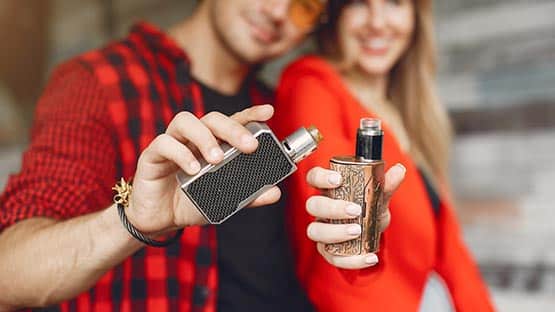
THC vape pens are becoming increasingly popular, and they are drawing people who are interested in how they work and why their popularity has soared so fast. As they have a wide range of designs, features, and a multiplicity of technical words, it can be confusing when it comes to understanding vape pens.
This uncertainty can be eliminated by learning the fundamentals of vape pen functionality. Understanding the core components and operating mechanisms allows for more informed and confident evaluation. Safer use and better decision-making are supported by clear knowledge.
This article explores the topic in two structured sections. In the beginning, it describes what THC vape pens are, their main components, and general usages. Second, it describes the mechanism of THC vape pens, paying particular attention to heating mechanisms, airflow, and maintenance strategies, as well as the new technological trends that define the future of the products.
What are THC vape pens?
1. Definition and purpose
THC vape pens are small battery-powered steamers that contain liquids or other formulations and change them into vapor to be inhaled. In contrast to the conventional type of smoking, which depends on the burning process, THC vape pens employ a heating component to generate an aerosol that can be inhaled.
This approach enables users to utilize active compounds with minimal incineration of materials, thus lowering their chances of being exposed to certain unfriendly products or substances. The popular aspects of these devices are that they are portable, discreet, and user-friendly. Most of them are pen-like or USB-like, thus they can be carried conveniently by oneself.
They either include replaceable or disposable cartridges, adjustable temperature, and easy activation mechanisms. While commonly associated with nicotine, THC vape pens can also be used with other vaporizing liquids or botanical blends, serving the same purpose: delivering vaporized compounds efficiently.
2. Components of THC vape pens
Although the THC vape pens are simple, they have a few key components that collaborate with one another. The battery powers the device and supplies electricity to the coil, while its size and capacity determine how long the device can operate between charges.
The liquid is heated by a coil, and the material or design influences the smoothness of the vapor and its taste. The liquid is stored in the cartridge or tank, either in a refillable system or in a disposable cartridge, while the mouthpiece channels vapor to the user.
All these are united in a small system that is precise but not complicated. These are important elements that can be understood to operate them safely, produce vapors efficiently, and maintain the device.
3. Vape pen use and trends
THC vape pens enjoy popularity with all demographics, but with different patterns. Research indicates that it is gaining popularity among young adults and students, with the consequence of a wide reach and popularity. This expansion has made health researchers, educators, and regulators more attentive in an effort to know the possible impact.
A lot of users prefer THC vape pens to conventional smoking because of convenience, discretion, or sensory pleasure. THC vape pens do not produce smoke as compared to traditional cigarettes, and some would see this as a cleaner alternative. However, ongoing research continues to examine both short- and long-term effects, emphasizing the importance of informed and responsible use.
How THC vape pens work
1. Heating and vaporization mechanism
Heating and vaporizing liquid is the main activity of a vape pen. When triggered either through a button or a draw sensor, the electricity is directed to the coil, where the liquid is heated to become hot enough to produce vapor.
The heat is regulated to avoid burning up, which would lead to smoke and byproducts that are harmful. Research states that coil temperature and device settings influence vapor quality and chemical composition, including the amount of aerosol and byproducts produced.
An accurately calibrated heating ensures easier breathing, enhanced taste, and effective flow of the active constituents in the liquid.
2. Inhalation and user experience
During inhalation, the air flows through the device and transfers the vapor of the heating chamber into the lungs. Most of the devices activate automatically upon detecting airflow, though some need to be manually activated. This mechanism produces a managed and smooth draw for the user.
One of the advantages of contemporary THC vape pens is airflow control. Adjustable settings allow for a looser draw with larger clouds or a tighter draw with more concentrated vapor. Customization enhances user experience and makes devices adaptable to individual preferences.
3. Safety and maintenance
Maintaining a vape pen is essential for performance and safety. Coils and tank residues will decrease the quality of vapor and efficiency of the device, which is why all parts should be cleaned on a regular basis. Proper storage of liquids and careful handling of components also help prevent contamination.
It is also essential to take care of batteries. Properly using the charger, not overcharging the batteries, and changing ruined batteries reduces the risk of malfunctions or hazards. Reputable, high-quality liquids further reduce potential health risks, ensuring a safer and more consistent vaping experience.
4. Technological advancements
The technology of THC vape pens keeps changing by adding options such as automatic shut-off, temperature control, and USB-C charging, which is efficient and safe.
There is also a growing trend in digital integration. Based on smartphone applications, users can track their usage trends, count their puffs, and their insights will be provided in a personalized manner.
Conclusion
THC vape pens are handheld devices that are small in size and heat liquids into inhalable vapors with controlled temperatures and airflow. Although they are characterized by portability and ease of use, the vape pen technology is based on the functioning of various elements.
Continuous curiosity exists to explore potential links to respiratory effects and other health outcomes, especially among younger users. This particularly increases the importance of quality control, maintenance, and informed decision-making. Finally, the knowledge of vape pen functionality will help make informed decisions.
This content is provided for informational purposes only and is not a substitute for professional advice. AFP editorial staff were not involved in the creation of this content.



 Share
Share