In recent years, cannabis has moved from the fringes of public conversation into the mainstream. As laws evolve and attitudes shift, more consumers are exploring different cannabis products for personal use. Among these, THC flower remains one of the most widely recognized and sought-after forms. Its growing popularity is driven by increased accessibility, improved product quality, and a broader cultural acceptance of cannabis use.
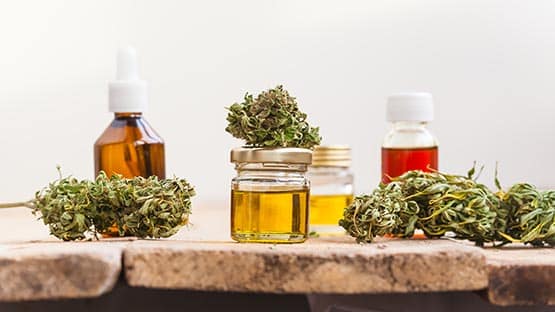
THC flower refers to the dried, harvested buds of the cannabis plant that contain tetrahydrocannabinol (THC), the compound responsible for the plant’s psychoactive effects. While cannabis products now come in many forms — including edibles, concentrates, and vapes — the flower continues to appeal to both newcomers and experienced users alike. Its versatility and traditional appeal make it a central part of the evolving cannabis landscape.
What sets THC flower apart
One of the defining features of THC flower is its natural form. Unlike heavily processed cannabis products, flower is minimally altered after harvest. This allows consumers to experience the plant in a more direct and authentic way. Many users appreciate the ability to see, smell, and handle the product before use, which can contribute to a sense of trust and transparency.
Another factor that sets THC flower apart is its wide range of strains. Each strain has a unique combination of cannabinoids and terpenes, which influence the aroma, flavor, and overall experience. Some strains are associated with uplifting and energizing effects, while others are known for promoting relaxation. This variety allows consumers to choose products that align with their personal preferences and intended use.
Understanding THC levels and potency
For those new to cannabis, THC levels can be one of the most important aspects to understand. THC potency is typically measured as a percentage, indicating how much of the compound is present in the flower. Products with higher THC levels may produce stronger psychoactive effects, while those with lower levels tend to offer a milder experience.
However, potency alone does not determine the overall experience. Factors such as terpene profiles, individual tolerance, and method of consumption all play a role. Consumers are increasingly encouraged to start with lower THC levels and gradually adjust based on their comfort and experience. This approach can help reduce the likelihood of unwanted effects and promote a more balanced introduction to cannabis.
The role of terpenes in the experience
Terpenes are aromatic compounds found in many plants, including cannabis. They are responsible for the distinctive scents and flavors associated with different strains. Beyond their sensory appeal, terpenes may also influence how THC interacts with the body, contributing to what is often referred to as the “entourage effect.”
For example, some terpenes are linked to calming properties, while others may support focus or alertness. As consumer awareness grows, more people are paying attention to terpene profiles when selecting THC flower. This shift reflects a broader trend toward more informed and intentional cannabis use.
Methods of consumption and their impact
THC flower can be consumed in several ways, each offering a different experience. Smoking remains one of the most common methods, typically involving joints, pipes, or bongs. This method allows for quick onset of effects, making it easier for users to gauge their intake.
Vaporizing has also gained popularity as an alternative to smoking. Vaporizers heat the flower without burning it, which may produce a smoother experience and reduce exposure to certain byproducts of combustion. Some consumers prefer this method for its perceived convenience and discretion.
Regardless of the method chosen, understanding dosage and pacing is essential. Taking time between inhalations and paying attention to how the body responds can help create a more controlled and enjoyable experience.
Legal considerations and regional differences
The legal status of THC flower varies widely depending on location. In some regions, cannabis is fully legal for both medical and recreational use. In others, it may be restricted or prohibited altogether. As a result, consumers must stay informed about local laws and regulations before purchasing or using THC products.
In areas where cannabis is legal, licensed retailers often provide detailed product information, including THC content, strain type, and lab testing results. This transparency can help consumers make more informed decisions and ensure product safety. As the industry continues to develop, regulatory frameworks are likely to evolve alongside it.
Quality, sourcing, and consumer trust
As demand for THC flower grows, so does the importance of quality and sourcing. Consumers are becoming more selective, looking for products that are cultivated responsibly and tested for purity. Factors such as cultivation methods, curing processes, and storage conditions all influence the final product.
Reputable providers typically offer lab-tested flower that is free from harmful contaminants such as pesticides or mold. For example, platforms like Mood provide access to a range of options, helping consumers explore different strains while prioritizing quality and consistency. As awareness increases, trust and transparency are becoming key drivers in purchasing decisions.
Responsible use and personal awareness
With greater access to THC flower comes a growing emphasis on responsible use. Consumers are encouraged to understand their own tolerance levels and to use cannabis in safe and appropriate settings. Avoiding activities such as driving while under the influence is an important aspect of responsible consumption.
It is also important to consider potential interactions with other substances, including alcohol and certain medications. Consulting with a healthcare professional may be beneficial for individuals with specific health concerns or conditions.
Education plays a central role in promoting safe use. As more information becomes available, consumers are better equipped to make choices that align with their needs and lifestyles.
The future of THC flower in a changing market
The cannabis industry continues to evolve, with THC flower maintaining a strong presence despite the rise of alternative products. Innovations in cultivation, packaging, and distribution are shaping how consumers access and experience cannabis. At the same time, ongoing research is expanding our understanding of how cannabinoids and terpenes interact with the body.
As public perception continues to shift, THC flower is likely to remain a key part of the conversation. Its combination of tradition, variety, and accessibility makes it a compelling option for a wide range of users. Whether for recreational enjoyment or personal exploration, the interest in THC flower shows no signs of slowing down.
In a rapidly changing landscape, staying informed is essential. By understanding the basics of THC flower and approaching it with awareness, consumers can navigate this growing market with confidence and clarity.
This content is provided for informational purposes only and is not a substitute for professional advice. AFP editorial staff were not involved in the creation of this content.



 Share
Share