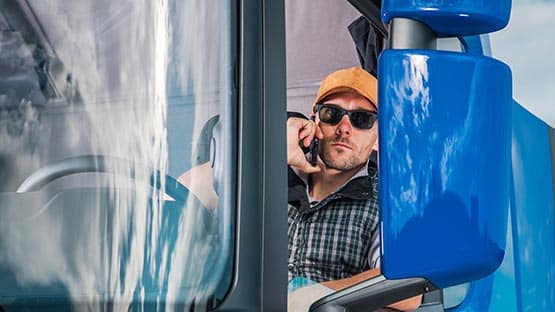
You’re on the shoulder of a four-lane highway, ears ringing, watching diesel pool under a tractor-trailer angled across two lanes. The driver is on the phone, but not with 911. He’s calling his dispatcher.
On the other end of that call, a claims team is already spinning up. Within the hour, a company investigator may be rolling toward you with a camera and a clipboard. The first ten minutes after a wreck with a commercial truck aren’t a pause before the process starts. They are the process.
The clock starts before you realize it has
A passenger-car fender-bender waits for you. A semi-truck crash doesn’t. Commercial carriers operate on a different footing than the driver who taps your bumper in a parking lot: federal safety rules, corporate insurers, in-house legal, and rapid-response teams that have run this playbook hundreds of times.
Trucking companies often send investigators to the scene within hours of a serious wreck. They aren’t there to puzzle out what happened in the abstract. They’re there to lock in a version of events that protects the carrier. The ten-minute window matters because it’s the only stretch where you’re the primary witness at your own crash.
Your first move is medical, not logistical
Before the phone comes out, run a slow inventory of yourself. Fingers, toes, neck, jaw, chest. Adrenaline is a liar. People walk away from truck crashes convinced they’re fine and wake up the next morning barely able to turn their head.
A post-crash checklist from AARP puts medical evaluation ahead of almost everything else. If anyone is hurt, that’s the 911 call. If everyone seems okay, that’s still the 911 call, because a police-generated report on a commercial crash usually carries more weight than any note you scribble on the shoulder.
Document like the other side already is
Once you can move safely, treat the scene like evidence, because that’s what it becomes the moment tow trucks arrive. Modern rigs carry electronic logs and event data recorders that capture speed, braking, and hours-of-service data in the seconds before impact. Those files can be overwritten if nobody moves fast to preserve them.
- Wide shots first. Photograph the full scene from several angles: both vehicles, lane markings, skid marks, debris, and traffic controls. Close-ups can’t establish the geometry.
- Then the details. Tire positions, damage patterns, cargo, and the truck’s DOT number and trailer markings. Get the motor carrier name printed on the cab door, not just the logo.
- Anchor everything. Tie a photo to a fixed landmark like a mile marker or light pole so the location holds up later.
- Grab witnesses fast. Names and phone numbers. If you don’t get a contact in the first few minutes, you rarely get it later.
- Say little on record. Answer the officer’s factual questions and leave the theories out. “I’m not sure yet” is a complete sentence.
Preserve evidence you’ll never see yourself
Here’s where truck cases split hardest from ordinary car wrecks. Most of the evidence that decides a semi-truck claim isn’t on the shoulder with you. It sits inside the truck, on the carrier’s servers, and in the driver’s qualification file. Federal hours-of-service logs, dashcam footage, maintenance records, drug and alcohol testing, dispatch messages, and the black box download all live in systems the carrier controls.
Under normal retention schedules, some of that data can be overwritten within days. A formal preservation letter, sometimes called a litigation hold, puts the carrier on notice that it has to stop routine deletion. If a company blows past the hold and evidence disappears, a judge can sanction it or tell a jury to assume the missing records would have hurt the carrier’s side.
That letter isn’t something you write from the roadside. It’s often the first thing an experienced truck crash attorney sends when a case comes in, sometimes within a day of the wreck. Your ten minutes at the scene buy the time. The follow-through has to happen fast.
What this adds up to
Nobody plans for a semi to cross the centerline. If it happens, the difference between a clean claim and a mess usually traces back to that first stretch after impact, before the tow trucks and adjusters arrive.
Check yourself and call for help. Photograph wide, then close, then get the carrier’s name. Say less than you feel like saying. Then hand the rest to someone who knows how to write a preservation letter before the black box gets overwritten.
This content is provided for informational purposes only and is not a substitute for professional advice. AFP editorial staff were not involved in the creation of this content.

 Share
Share