Dog bites in the U.S. exceed 4.5 million cases, with more than 800,000 of these incidents resulting in urgent medical attention. Most people are not prepared for a dog bite. This lack of preparedness often leads to panic and confusion during the incident.
If you want the best chance of a full recovery, it is important to know what to do after a dog bite injury. The steps you take in the hours and days that follow the bite are critical. Most importantly, the decisions you make will determine whether you can get compensation.
The right steps are largely the same regardless of where the bite happened, but what those steps support in a legal claim can vary depending on state law.
Get medical attention first
A tiny bite can still turn into a medical issue. At first, the skin may look normal. But underneath, there are bacteria and other harmful organisms coming from the dog’s saliva that cause germs to build up. Infection will soon develop overtime, making the bite a serious medical concern.
Puncture bites are a bigger worry. When a dog’s teeth penetrate the skin, bacteria become injected into the tissue. In this case, you must wash the bite with a little bit of soap and warm running water. If the bite is bleeding, apply some light pressure. Then contact medical help as soon as you can.
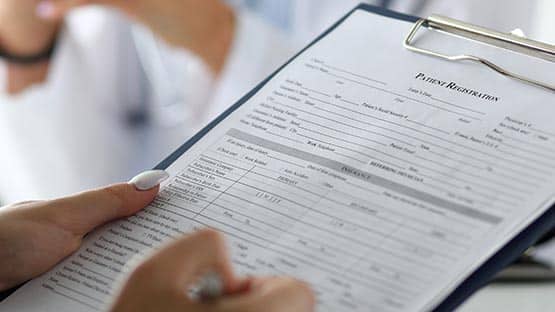
Do not think that a “small” bite is minor, regardless of how you may be feeling after. A medical record created close in time to the bite also becomes one of the most important pieces of documentation if a claim follows later.
Document everything while it is fresh
After handling the medical issues, focus on the paperwork. Grab your camera and take a picture of the injury or bite, along with your torn clothes and other relevant visual details. The injury report will be more accurate if it is written down immediately after the incident. Observe how the dog acted before the bite and what it did during the incident.
Details can get lost quickly, and they may prove important later if the dog owner reports something different. You should find out the owner’s name and phone number and check if the dog has had a rabies vaccination. This information will help determine the next steps to take medically and legally.
There may have been witnesses to the dog bite. Their statements could provide more information on the case and be of assistance if the victim’s and dog owner’s accounts differ.
Report the incident
Call animal control or the police as soon as possible. Get an official record of what happened. That record does not depend on anyone’s memory later. Second, your report may stop the dog from hurting another person. In some areas, these reports help track down dogs that have shown aggression previously. If the same animal is involved again, the earlier record can matter.
Understand that dog bite law varies significantly by state
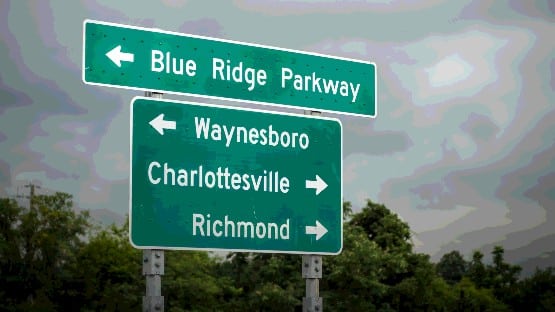
A dog owner’s liability actually depends heavily on which state the bite happened in, and the differences are big enough to warrant knowing. In some states, the law uses strict liability. With that setup, the owner may be held responsible regardless of the dog’s previous behavior.
Other states use a negligence approach. In those places, the injured person must show the owner did not use reasonable care. There are also states that follow a version of the old one-bite rule. Under that view, the owner is often not liable unless they knew, or should have known, the dog was dangerous.
Louisiana law is different. Instead of adhering to one single rule, it combines parts of different legal doctrines. Under Louisiana Civil Code article 2321, a dog owner is strictly liable for injuries the dog causes, as long as the owner could have prevented the harm. The owner has two possible defenses. The owner can show that the injury was caused by the victim provoking the dog. Or the owner can show that the harm came from something the owner could not have reasonably stopped.
In many other places, the approach is different. Nevada is one example. Courts there often use simple negligence rules. They do not always point to a separate strict liability law. As a result, the injured individual generally must show that the owner knew, or should have known, the dog posed a potential risk. Nevada residents who suffer from a dog bite may consult Summerlin personal injury lawyer Brian W. Easton and his law firm. They take into account how each state differs when constructing a dog bite claim, since they are experienced in handling personal injury cases in multiple jurisdictions.
Filing deadlines are not uniform either
The rule about how liability works is not the only factor. Normally, claims are time restricted. A state’s deadline for filing and for seeking compensation can change each time a statute is enacted.
In Louisiana, the timeline was once shorter. Injury victims used to have one year to file a claim. Then the state changed it. For injuries that happen on or after July 1, 2024, Louisiana extended the prescriptive period for many personal injury claims. That includes dog bite cases. Under the newer rule, the period is now two years. Assuming an older deadline still applies, without checking current law, is one of the more common and costly mistakes a dog bite victim can make.
Know when to involve an attorney
Many dog bite claims resolve through a homeowner’s or renter’s insurance policy without ever requiring litigation. The insurer can pay the medical bills, cover time missed from work, and address other direct losses. When that happens and the payment is complete, a victim may not need a lawyer.
It is normal for insurance companies to try and close the claim as soon as possible. They also tend to look for the lowest-cost path. The settlement offer may not always match what the claim is truly worth. A lawyer can review the offer and compare it to the actual harm. This review is especially helpful when there is scarring, ongoing medical care, or mental stress that can be hard to measure in a simple receipt.
Hiring a lawyer rarely leads to a lawsuit. Usually it just means negotiations are handled by someone who knows the process. A case moves to court only if a fair agreement cannot be reached another way.
The practical takeaway
After a dog bite, there are a few key moves that usually matter no matter where you are. First, get medical help. Next, write down what happened. Then, tell the right offices. These basic steps are common no matter the place where the bite happened. The part that is variable is how a state assigns liability.
Each state clearly defines the timeline a victim has to take action. Educating yourself on the process of a dog bite claim in every state, along with the general steps that need to happen, can make your case less overwhelming.
This content is provided for informational purposes only and is not a substitute for professional advice. AFP editorial staff were not involved in the creation of this content.


 Share
Share