Modern driving involves much more than steering, accelerating, and following traffic signs. Drivers must remain alert to changing road conditions, unexpected maneuvers, heavy traffic, and situations that can develop in seconds. Even a familiar journey can bring surprises, making preparation and awareness important parts of responsible motoring.
Technology has introduced several tools that can support drivers during their daily travels. Among these, dashboard cameras have become increasingly popular because they can record activity around a vehicle and preserve footage for later review. Whether someone commutes every morning, frequently travels between cities, or enjoys weekend road trips, understanding how a dash cam works can help them decide whether it suits their needs.
1. Understanding the purpose of a dash cam
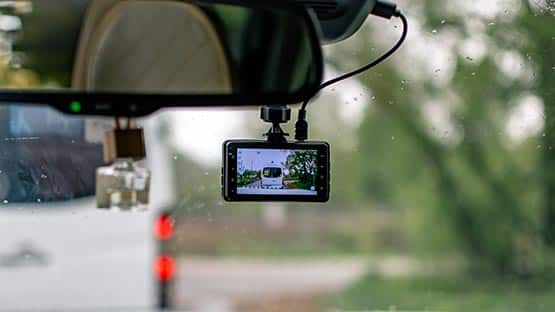
A dashboard camera is a compact recording device installed inside a vehicle to capture video while driving. Depending on its design, it may record the road ahead, the area behind the vehicle, or additional views around the car. Many models begin recording automatically when the vehicle starts, reducing the need for drivers to operate the device manually.
One of the main advantages of this technology is its ability to preserve a visual record of a journey. Drivers cannot always remember every detail of an unexpected incident, particularly when several vehicles are involved. Video footage may help clarify the sequence of events and provide useful information when reviewing what happened.
Recording capabilities differ between devices, so buyers should examine the available features carefully. Video resolution, viewing angles, storage capacity, and ease of operation can all influence the overall experience.
2. Supporting drivers after unexpected road incidents
Road incidents can happen in crowded parking areas, busy intersections, and seemingly quiet streets. Sometimes, the people involved have different accounts of what occurred, making it difficult to establish the sequence of events.
A dash cam can provide additional documentation by recording activity around the vehicle. Depending on the circumstances and the quality of the footage, this information may assist with insurance discussions or help clarify an incident.
Drivers researching their options may come across a wolfbox dash cam while comparing recording devices for everyday use. Before selecting a model, consider whether its recording functions, image quality, and storage options match your driving habits.
It is important to remember that recorded video does not automatically determine responsibility for a collision. Footage must be considered alongside other available evidence, and its usefulness may depend on local rules and the circumstances of the incident.
3. Capturing details that might otherwise be forgotten
Not every valuable recording involves an accident. A camera can also capture memorable moments during scenic drives, road trips, and visits to unfamiliar destinations.
Imagine traveling through a mountain pass at sunrise or discovering an impressive coastal road during a holiday. Having a recording can help preserve parts of the experience without requiring the driver to handle a phone or camera while moving.
Passengers may enjoy reviewing these recordings later, particularly when a journey includes beautiful landscapes or unexpected encounters. However, drivers should always keep their attention on the road and leave any camera adjustments or footage review until the vehicle is safely parked.
For people who frequently explore new places, recording equipment can become a useful addition to their travel preparations.
4. Choosing video quality that matches your needs
Clear footage is one of the most important considerations when comparing dashboard cameras. A recording may be less useful if important details appear blurred, particularly when vehicles are moving or lighting conditions are difficult.
Check the advertised resolution and look for information about performance at night, in direct sunlight, and during poor weather. A wider viewing angle may capture more of the surrounding scene, although the quality of the image across that area matters just as much.
High-resolution recording can also require more storage space. Before purchasing a camera, check which memory cards it supports and how easily older recordings can be managed. Loop recording, available on many models, allows a device to overwrite older footage when storage fills up, while protected clips may be retained separately.
Understanding these details helps you select a camera that balances recording quality with everyday convenience.
5. Considering installation and everyday convenience
A useful device should fit naturally into your driving routine. Complicated controls, untidy cables, or awkward positioning can make an otherwise capable camera less appealing.
Before installing a dash cam, determine where it can be mounted without obstructing your view of the road. Follow the manufacturer’s installation instructions and check applicable vehicle regulations. Some drivers prefer professional installation, particularly when a system includes rear cameras or requires more involved wiring.
Ease of use matters, too. Features such as automatic recording, straightforward playback, and accessible storage settings can make managing footage simpler. If a camera connects to a mobile application, review its compatibility and understand how recordings are transferred.
The goal is to choose equipment that supports your routine without becoming a distraction.
6. Understanding storage, privacy, and responsible use
A camera records information about real-world surroundings, which means storage and privacy deserve attention. Footage may contain vehicle registration numbers, identifiable individuals, or details about locations visited.
Review how recordings are saved, how long they remain on the device, and whether the camera offers protection for important clips. Regularly check that the memory card works correctly and that necessary recordings have been backed up before deleting files.
It is also sensible to learn the rules governing vehicle recording in the places where you drive. Requirements concerning audio recording, personal privacy, and sharing footage can vary by jurisdiction.
Use recordings responsibly, particularly when publishing videos online. Avoid exposing personal information unnecessarily, and share footage only when there is a legitimate reason to do so.
7. Evaluating features before making a purchase
Choosing a dash cam becomes easier when you identify your priorities before comparing products. A daily commuter may value reliable automatic recording, while someone who regularly travels at night may place greater importance on low-light performance.
Create a shortlist based on video clarity, camera coverage, storage compatibility, installation requirements, and budget. Consider whether additional functions genuinely meet your needs rather than paying extra for features you are unlikely to use.
Reading product specifications and checking warranty information can also help you make a more informed decision. A suitable camera should offer a practical balance of reliability, convenience, and recording performance.
Conclusion
A dash cam can be a useful addition to a vehicle by preserving journey footage, documenting unexpected events, and recording memorable road trips. Its value depends on selecting appropriate features, installing the device correctly, and understanding how recordings should be handled.
Before purchasing one, consider your driving routine, the conditions you regularly encounter, and the type of footage you may need. Combined with attentive driving and responsible road habits, a well-chosen camera can provide useful documentation and greater confidence when unexpected situations arise.
This content is provided for informational purposes only and is not a substitute for professional advice. AFP editorial staff were not involved in the creation of this content.


 Share