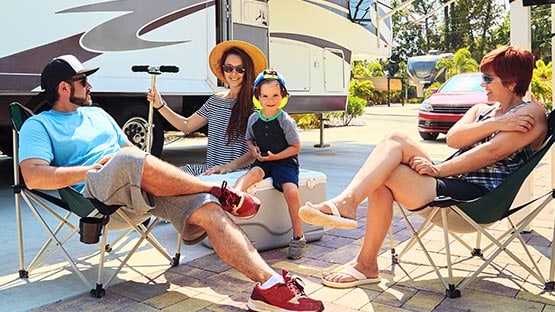
As temperatures drop across Greater Boston and MetroWest, a familiar ritual starts up in driveways from Natick to Framingham. Retirees, remote workers, and anyone with flexible winters start loading up the RV and pointing it toward Florida.
Southwest Florida towns like Fort Myers and Naples have drawn New England snowbirds for decades. Warm water, long stretches of coastline, and mild winter nights make the drive worth it for a lot of owners.
Getting a motorhome from a Massachusetts garage to a Gulf Coast campground takes more than filling the tank and merging onto I-95. A little planning before departure, and a plan for where the rig sits once you arrive, can save a lot of headaches.
Timing the drive and picking a route
Most New England snowbirds leave before the first hard freeze settles in, usually sometime in late October or November. Waiting too long risks driving through an early ice storm with a loaded rig and a trailer hitch that doesn’t love slick pavement.
I-95 south is the obvious choice, but plenty of owners break the trip into two or three days instead of pushing straight through. Overnight stops at campgrounds along the way give batteries a chance to recharge and let drivers rest before tackling Florida traffic near the end.
Running the pre-departure checklist
Tire pressure, battery charge, and propane levels are the basics, but a few things get skipped more often than they should. Slide-out seals dry out over a summer of sitting, and a cracked seal lets water in during the first Florida downpour.
Water lines matter too. If the rig sat through a Massachusetts fall with any water left in the system, a surprise cold night before departure can crack a line nobody checks until it’s too late.
Deciding where the rig parks once you’re there
Plenty of snowbirds plan to keep the motorhome moving between campgrounds all season. Others leave it parked for weeks at a stretch while they fly home for a holiday or settle into one spot for the winter.
When the rig isn’t moving for weeks, many owners look for options closer to their destination. Covered and enclosed spaces protect against sun, wind-driven rain, and the hail that can show up in Southwest Florida between March and August. Owners wintering in the area sometimes check rv storage fort myers facilities for covered or enclosed parking, especially when they plan to fly home for the holidays and leave the rig idle for weeks.
Watching Florida’s weather while you’re down there
Southwest Florida’s winters are mild by New England standards, but they’re not frost-free. Overnight lows can dip into the low 30s on a cold snap, which is enough to crack a water line if it wasn’t drained first.
Summer-style heat shows up early too, with highs regularly climbing into the 90s even in spring. Checking current conditions through the National Weather Service before a departure or a long stretch of parking can help avoid surprises on both ends of the thermometer.
If the plan includes state park camping once you’re settled in, it helps to book early. Florida residents can reserve state park campsites up to 11 months ahead, and non-residents up to 10 months ahead, so the popular coastal parks fill fast during peak snowbird season.
Building the routine into an annual habit
None of this is complicated once it’s part of the yearly routine, and treating each stage on its own, rather than cramming it all into the final weekend, tends to make the whole trip smoother.
For anyone making the trip for the first time this winter, starting the checklist a few weeks early beats scrambling the night before departure. The rig, and the driveway back home, will both be easier to deal with come spring.
This content is provided for informational purposes only and is not a substitute for professional advice. AFP editorial staff were not involved in the creation of this content.
Support AFP



 Share