As a property owner, you need to take care of many things to ensure safety.
In the case of owning a house, a condo, or any other sort of real estate property, you’ll be responsible for keeping the premises in good shape so your guests’ safety isn’t compromised.
However, while many property owners care about maintenance, repairs, and improvements, they often don’t spend enough time focusing on issues such as premises liability.
Premises liability refers to the legal responsibility property owners may have for injuries caused by unsafe conditions on their property. While the specific laws vary by region, understanding the basic principles can help property owners lessen risks and create safer environments for guests, customers, tenants, and other visitors.
Here are five key things that you must know about premises liability if you own real estate.
1. Property owners have to deal with potential hazards
When it comes to premises liability, the key is to address potential hazards on your property promptly and competently. The types of hazards include the following:
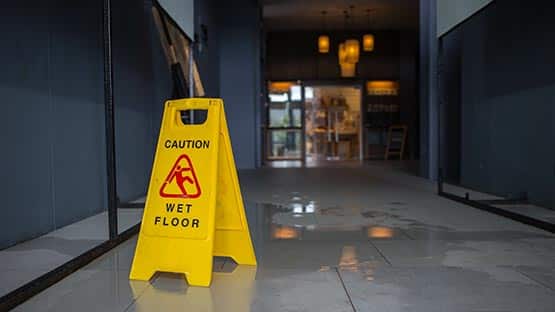
- Wet floors
- Uneven walkways
- Damaged stairs
- Loose handrails
- Dim lightening
- Damaged floor coverings
- Potential falling objects
- Dangerous parking area
Although it’s impossible for property owners to eliminate the risk of injury to zero, they must still take reasonable steps to keep their property free of hazards. For instance, regular property inspections will help you identify potential hazards and eliminate them.
Sometimes minor maintenance issues can turn into serious threats in the future. That’s why the right property maintenance is vital if you want to reduce the risk of any accidents.
2. Documentation is extremely important
Often, property owners forget the importance of maintaining proper documentation until an accident occurs. However, maintaining records of maintenance and repairs will help you demonstrate that you’ve taken all necessary measures to ensure the safety of visitors on your property.
Such documents can include the following:
- Maintenance logs
- Repair bills
- Inspection reports
- Records of work done by contractors
- Cleaning schedules
- Incident reports
In addition to supporting safety efforts, organized records can simplify communication with contractors, insurance providers, and other parties when questions arise.
3. Weather conditions will always create risks
Weather conditions can lead to various hazards. So, you’ll need to pay special attention to this front if you want to reduce the risks of any accidents.
Common weather risks include the following:
- Slippery paths
- Ice
- Icy stairs
- Water standing where it shouldn’t be
- Fallen branches
- Reduced visibility
As a property owner, you must be ready to deal with weather conditions. Developing a plan that will help you to cope with different weather conditions is essential.
4. Safety measures aren’t only good for your guests
When talking about premises liability, many owners focus solely on how it relates to visitors. However, taking safety measures will benefit not only your guests, but also you, your employees, tenants, and other visitors to your property.
For instance, improved lighting systems will help both customers, employees, tenants, family members, and others. Well-maintained walkways and proper signage will benefit everyone on your property — including you. Proper property upkeep is a good investment.
5. Preventive measures are the best way to protect yourself
Many premises liability issues can be avoided by implementing preventive measures. Instead of waiting for any hazards to appear, try to develop preventive strategies that allow you to reduce the risk of accidents.
Some examples of such measures can include the following:
- Regular property inspection
- Planning your maintenance schedule properly
- Fixing the damages immediately
- Increasing the lighting in the places where it’s necessary
- Installation of handrails where they’re needed
- Using warning signs if there are hazards;
- Monitoring weather conditions
Taking preventive measures is the best way to protect yourself and minimize unexpected costs.
Premises liability is an extremely important issue for every property owner. The laws governing premises liability vary by location and conditions. However, the main idea behind liability remains the same everywhere – maintaining reasonably safe conditions on your property protects your visitors and minimizes the risk of accidents.
Every property owner who understands the importance of addressing the five considerations above will be better prepared to handle property liability. Paying attention to safety and being proactive will help you prevent many problems.
This content is provided for informational purposes only and is not a substitute for professional advice. AFP editorial staff were not involved in the creation of this content.


 Share
Share