Drain cleaning might not be the most glamorous topic of discussion, yet it remains one of the most critical aspects of modern urban infrastructure management. From the historic streets of Virginia’s colonial cities to the bustling metropolises scattered across continents, the proper maintenance of drainage systems forms the backbone of public health, environmental protection, and economic stability. As populations continue to grow and urbanization accelerates, understanding the vital role of drain cleaning has never been more important for communities worldwide.
Understanding the fundamentals of drain maintenance
Drainage systems serve as the unseen circulatory network of any civilized settlement, channeling wastewater, stormwater, and other effluents away from residential and commercial properties. When these systems function properly, they remain largely invisible to the public eye. However, when neglected, blocked drains can quickly escalate into serious problems affecting entire neighborhoods, from basement flooding and structural damage to public health emergencies and environmental contamination.
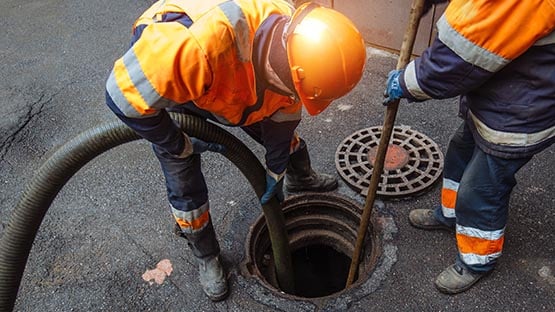
Regular drain cleaning encompasses various preventative and corrective measures, including hydro-jetting, mechanical augering, chemical treatments, and increasingly, advanced technologies such as CCTV drain surveys and robotic cleaning systems. These methods work collectively to remove accumulated debris, grease, tree roots, mineral deposits, and other obstructions that naturally build up over time within drainage infrastructure.
Virginia: A state where history meets modern infrastructure challenges
The Commonwealth of Virginia presents a particularly interesting case study in drain maintenance requirements. As one of America’s oldest states, Virginia boasts infrastructure that ranges from centuries-old colonial-era drainage systems to cutting-edge modern installations. Cities such as Richmond, Virginia Beach, Norfolk, and Alexandria each face unique challenges related to their drainage networks.
Richmond, the state capital, contends with an ageing combined sewer system in many of its historic districts, where stormwater and sewage flow through the same pipes. During heavy rainfall events, these systems can become overwhelmed, necessitating regular maintenance to prevent overflows into the James River. The city has invested millions in drain cleaning and infrastructure upgrades to protect both public health and the Chesapeake Bay watershed.
Virginia Beach, the state’s most populous city, faces different challenges. Its coastal location means that drainage systems must contend with higher water tables, saltwater intrusion, and the increased risk of hurricane-related flooding. Regular drain cleaning here becomes essential not just for day-to-day functionality but as a critical component of disaster preparedness. Blocked drains during a major storm event can transform manageable flooding into catastrophic inundation.
The state’s seasonal variations also play a significant role in drainage maintenance requirements. Autumn brings falling leaves that can quickly clog storm drains, whilst spring thaw can reveal winter damage and accumulated debris. Virginia’s clay-rich soils can also contribute to sediment build-up in drainage systems, making regular professional cleaning essential for system longevity.
London: Managing a megalopolis beneath the streets
London’s drainage system stands as one of the most complex and historically significant in the world. The Victorian-era sewer network, designed by Sir Joseph Bazalgette in the 1860s, still forms the foundation of the city’s wastewater management. However, serving a modern population of over nine million people places enormous strain on infrastructure never designed for such capacity.
The infamous “fatbergs”—massive conglomerations of fat, oil, grease, and non-biodegradable items—have become emblematic of London’s drainage challenges. Some fatbergs have reached truly astonishing proportions, with one discovered in 2017 measuring over 250 meters in length. These blockages require intensive cleaning operations and highlight the critical importance of both preventative maintenance and public education about proper disposal practices.
Thames Water, London’s primary water and wastewater services provider, employs hundreds of drainage engineers and invests heavily in proactive drain cleaning. The company uses sophisticated monitoring systems to identify problem areas before they become critical, whilst also undertaking extensive public campaigns to reduce drain-blocking behaviors. The ongoing Thames Tideway Tunnel project, a $5.2 billion super sewer, represents one of the largest infrastructure investments in the city’s history, designed to capture overflow that currently pollutes the River Thames during heavy rainfall.
Dublin: Historic charm meeting modern demands
Dublin, Ireland’s vibrant capital, presents another compelling example of drain cleaning importance in a historic European city. Situated at the mouth of the River Liffey, Dublin’s drainage infrastructure must balance heritage preservation with the demands of a growing modern city that has seen substantial population increases in recent decades.
Irish Water, the national utility responsible for water and wastewater services, has prioritized drain maintenance across Dublin’s metropolitan area. The city’s Georgian architecture and medieval street layouts in certain quarters mean that drainage upgrades and cleaning must often be undertaken with careful consideration for historical preservation. Regular drain cleaning prevents the flooding events that could damage irreplaceable architectural heritage whilst also protecting the River Liffey and Dublin Bay from pollution. The city has invested significantly in combined sewer overflow monitoring and reduction, recognizing that clean waterways contribute substantially to both environmental health and tourism appeal.
Tokyo: Precision engineering and proactive maintenance
Tokyo exemplifies how advanced drain cleaning and maintenance can support one of the world’s largest and most densely populated urban areas. The Japanese capital’s approach to drainage management combines cutting-edge technology with meticulous maintenance protocols, creating a system that rarely experiences the catastrophic failures seen in other major cities.
Tokyo’s drainage network includes massive underground reservoirs designed to capture excess stormwater during typhoons and heavy rainfall. The Metropolitan Area Outer Underground Discharge Channel, often called the “Underground Temple,” can hold millions of liters of water, preventing flooding in the low-lying areas around the city. These structures require constant maintenance and cleaning to ensure functionality when needed.
Japanese utility companies employ rigorous inspection schedules, using robotic crawlers and advanced sensors to monitor drain conditions continuously. This proactive approach identifies potential blockages or structural weaknesses before they become problems, exemplifying how preventative drain cleaning can be elevated to an exact science.
Environmental and public health imperatives
Across all these locations, the environmental and public health dimensions of drain cleaning cannot be overstated. Blocked or poorly maintained drains can lead to sewage backups that contaminate water supplies, create breeding grounds for disease-carrying pests, and discharge untreated waste into natural waterways. The resulting pollution affects aquatic ecosystems, recreational water use, and even commercial fisheries.
Climate change has intensified these concerns, with many regions experiencing more frequent and severe rainfall events. Drainage systems designed for historical rainfall patterns now face unprecedented volumes of water, making regular cleaning and maintenance absolutely essential to prevent overwhelming existing infrastructure.
Economic considerations and future outlook
The economic argument for regular drain cleaning is compelling. Preventative maintenance costs a fraction of emergency repairs or the replacement of failed infrastructure. Beyond direct repair costs, blocked drains can cause business interruptions, property damage, reduced property values, and public health expenditures that far exceed the investment in proper maintenance.
Looking forward, cities worldwide are recognizing that sustainable urban development must include robust drainage management. Smart city initiatives increasingly incorporate drainage monitoring into broader infrastructure management systems, using real-time data to optimize cleaning schedules and resource allocation.
Conclusion
From Virginia’s historic communities to major cities spanning the globe, drain cleaning represents an essential investment in public health, environmental protection, and economic stability. Whilst the specific challenges vary by location—whether addressing London’s fatbergs, Tokyo’s typhoon preparation, Dublin’s heritage considerations, or Virginia’s diverse infrastructure ages—the fundamental importance remains constant. As urban populations continue to grow and climate patterns shift, the unglamorous work of maintaining our drainage systems will only become more critical. Communities that recognize this reality and invest accordingly will be better positioned to face the infrastructure challenges of the coming decades, ensuring that our cities remain liveable, healthy, and resilient for generations to come.
This content is provided for informational purposes only and is not a substitute for professional advice. AFP editorial staff were not involved in the creation of this content.


 Share
Share