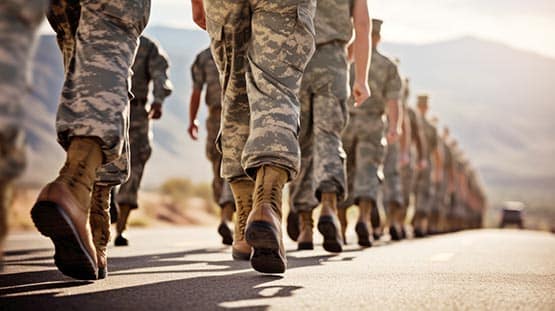
I’ve seen this story before. The images coming out of Los Angeles—militarized streets, protesters met with force, another round of justifications for escalation—hit me with the dull weight of déjà vu. It’s not that I’m shocked. It’s that I remember.
My political awakening happened in California. I was 13 years old when I saw the Rodney King video. I couldn’t believe my eyes. I asked my father how it could be possible—how people with badges and nightsticks could commit such violence and walk away unpunished. The following year, the city exploded. The 1992 uprising etched itself into my memory—not as lawlessness, but as outrage born of injustice and mismanagement. I’ve spent years studying those events, learning what we could’ve done better. We should’ve de-escalated, we should’ve listened, we should’ve shown restraint.
But we didn’t. And we still aren’t.
Years later, I found myself in Cleveland, marching peacefully to protest the killing of George Floyd. I wasn’t near any confrontation or property damage, but tear gas was deployed indiscriminately. The burn in my eyes and throat lingered for hours. Despite decades of practicing and preaching nonviolence, I felt a rage stir in me that I had forgotten. I didn’t act on it, but I understood in that moment how state aggression can turn even the most peaceful among us toward hopelessness or fury. I remembered the graffiti from ’92: “You did this.”
Escalation invites escalation. It’s predictable. It’s avoidable. And it happens anyway. The National Guard is not trained in the nuance of civilian crowd control. Their presence often exacerbates tension. It tells the public: we are at war with ourselves. It tells communities: we do not trust you—truth is always a casualty. And it signals to law enforcement: anything goes.
Meanwhile, the politics behind these deployments reveal everything about our national priorities. I’ll never forget January 6th, 2021—when a violent mob stormed the Capitol and Trump did nothing. No tear gas, no troops, no swift and visible response. We were told to be patient. Contrast that with the armored vehicles that meet peaceful immigrants’ rights protests, or the overwhelming force deployed in Black and brown neighborhoods when people demand accountability. The hypocrisy isn’t just galling—it’s deadly.
And Americans are noticing.
A majority of Americans have consistently opposed mass deportations. Overall, Trump’s approval has plummeted—the lowest 100-day rating of any modern president. The New York Times reports that 66 percent of voters describe Trump’s second term as “chaotic,” and 59 percent as “scary.” These aren’t just immigration figures—they’re indictments of a cruelty-as-policy approach. People are not just dissatisfied—they’re alarmed.
We protest because we still believe in democracy. Dissent is not a threat; it’s a patriotic obligation. We demand that the laborers, caregivers, coaches, teachers, and neighbors among us—regardless of citizenship status—be treated as the human beings they are, not threats. The lie that they are terrorists must end.
When protected speech is met with troops, when dissent is painted as chaos, and when a government rewards violence with silence and punishes peace with brutality, we are no longer in a democracy—we are teetering on the edge and sliding to something else.
I can’t watch what’s happening in Los Angeles because I’ve watched it before. I’ve felt it. I’ve tasted the tear gas. I’ve studied the history. And I know where the road we are on leads. We can still choose a different one. But that choice will require courage—not from the protesters, who are already showing it, but from those in power who must finally listen, and honor the oaths they swore.
No more lies. No more hypocrisy. No more silence in the face of force.
Wim Laven, Ph.D., syndicated by PeaceVoice, teaches courses in political science and conflict resolution.

 Share
Share