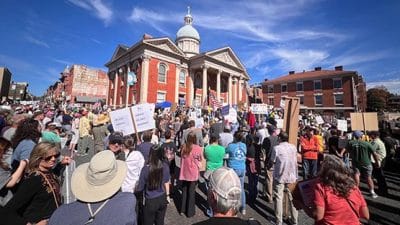
While shortages persist throughout the state, James Madison University graduates are helping fill critical roles in education and nursing in Virginia.
A study of 2024 JMU graduates revealed that 310 bachelor’s degree recipients are employed in Virginia’s teaching and nursing fields. Overall, 66 percent of graduates found work in Virginia.
“We’re proud to see so many of our graduates stepping into critical roles across Virginia, especially in teaching and nursing, where their impact is immediate and deeply needed,” said Libby Westley, director of the University Career Center.
The report found that more than 95 percent of JMU graduates found work, were serving in the military, completing fellowships or continuing their education within six months of graduation.
The top employers of 2024 JMU graduates included Carahsoft Technology Corporation, Deloitte, Inova Health System, VCU Health System and JMU. Average salaries ranged from $44,500 to $74,256, according to the report.
The findings are largely based on surveys completed by undergraduate and graduate degree recipients. Some of the data were obtained from JMU faculty and graduate program representatives, employers, the National Clearinghouse dataset of continuing education and other sources.
Virginia: Teaching profession faces new challenges including immigration raids
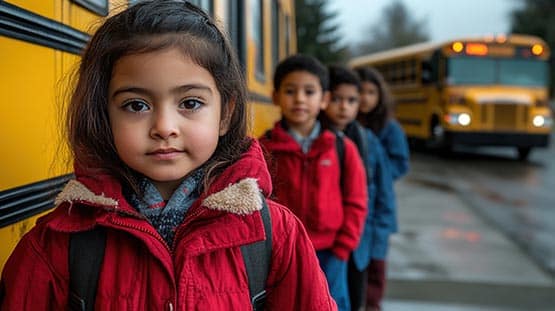
Similarly, efforts have been made statewide to reduce teacher shortages, though low pay continues to be one of the biggest issues for recruiting teachers to the Commonwealth.
Vacancies remain primarily in elementary education and special education. The shortages are attributed to burnout, low pay and difficult working conditions.
The National Education Association found in Virginia, teachers are not making enough to support themselves, with data showing that when adjusted for inflation, actual teacher pay has gone down in the state during Gov. Glenn Youngkin’s tenure.
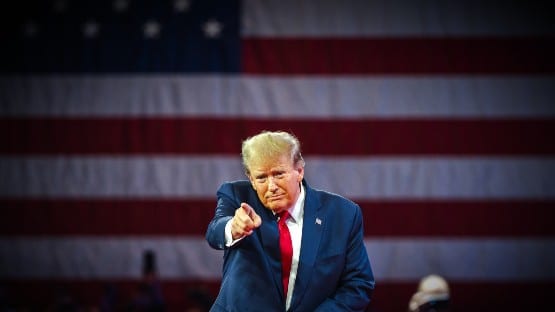
Under Donald Trump’s second term, choosing education for a career is seen as risky, in part due to budget cuts to a number of programs that benefit minorities, low-income students and those with disabilities, potentially leading to less opportunities for graduates.
There has also been a recent push for vouchers, prioritizing private schools and putting public school funding in jeopardy. Lost revenue could lead to teacher layoffs and less resources for public schools.
Increased class sizes, fewer mental health supports in schools and the loss of childhood education and tutoring for students also makes the field less attractive to potential educators, according to the NEA.
Immigration raids, book bans, more scrutiny on what is taught in the classroom, social-media policing, school shootings and a push to require religion in schools, are other drawbacks. The Trump administration has also targeted schools and staff accusing them of helping students get gender-affirming surgery or abortions at school, without parental consent. Pushing dangerous rhetoric such as this is “red meat” to fire up the president’s base, but inserting politics in education has been shown to create a hostile environment leading to more turnover and less talent considering the career field.
Virginia: Severe shortages remain in nursing, behavioral health
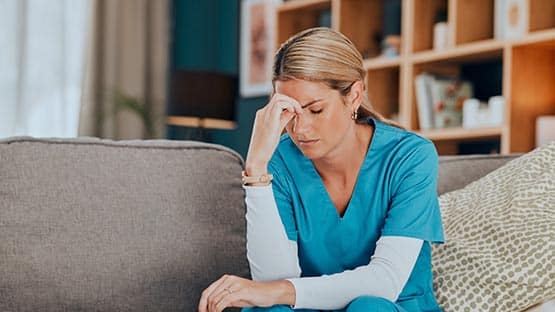
The shortage of nurses predates COVID-19 according to the Virginia State Office of Rural Health, but the pandemic worsened the crisis.
Virginia is among the states with the lowest registered nurse to patient ratio. The most severe shortages are in nursing, primary care and behavioral health.
Some of the reasons for the shortage include pandemic burnout, educational obstacles and retirement.
JMU is one of 13 educational institutions who received an Earn to Learn grant for students in the program to earn a wage comparable to their current level of practice while training to obtain a higher certification level.
Other Earn to Learn grant recipients include:
- Blue Ridge Community College
- Galen College of Nursing – Richmond
- Germanna Community College
- Laurel Ridge Community College
- Marymount University
- New River Community College
- Northern Virginia Community College
- Paul D. Camp Community College
- Rappahannock Community College
- Southside Community College
- Virginia Commonwealth University
- Virginia Western Community College
“The Earn to Learn program is a win all around for nursing students, schools, hospitals and communities,” said State Health Commissioner Karen Shelton. “Nursing students will be able to earn a stipend while completing classes and clinical training. The program has academic and hospital partners in every region of the state, ensuring opportunities are spread across Virginia. For communities, more nursing graduates means more nurses to take care of patients in doctor’s offices, hospitals, urgent care centers, clinics and other settings.”
Related stories
- Charlie Kirk murder | Teachers face consequences of social media posts
- Oklahoma goes ‘America First’: We don’t want ‘woke’ teachers indoctrinating our kids
- Safe havens: Virginia schools scramble to calm fears of immigrant families, students
- Mental health professionals in demand; concern majority ‘graying out’ of workforce
- Gun-related incidents in American public schools increased after COVID-19
Support AFP


 Share
Share

Crystal Graham