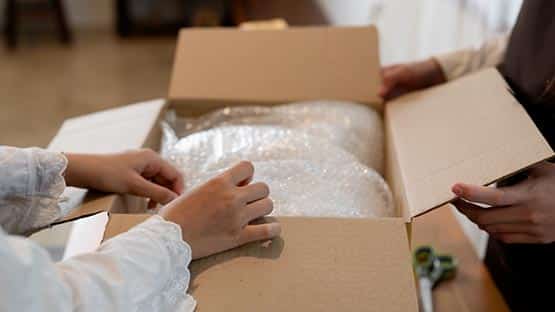
Choosing the right packaging materials is one of the most important decisions for any online retailer. In Australia’s fast-growing and highly competitive eCommerce market, packaging serves a much greater purpose than simply protecting products during delivery. It contributes to brand perception, customer satisfaction, sustainability goals, and overall business efficiency.
From shipping boxes and mailers to protective solutions such as bubble wraps, selecting appropriate packaging materials can significantly reduce the risk of product damage while creating a positive unboxing experience. By understanding the various packaging options available and evaluating their suitability for your products, businesses can improve customer trust, minimize returns, and strengthen their brand reputation.
Understand your product requirements
The first step in selecting packaging materials is understanding the nature of your products. Different items require different levels of protection, depending on their size, weight, fragility, and value.
For example:
- Fragile items such as glassware or ceramics require cushioning materials
- Clothing and textiles need lightweight, flexible packaging
- Heavy goods require strong, reinforced boxes
- Perishable items may need insulated packaging
Matching packaging to product type ensures safe delivery and reduces the risk of damage during transit.
Choose the right type of primary packaging
Primary packaging refers to the material that directly contains the product. For online stores, this is often the first layer of protection.
Common options include:
- Poly mailers for lightweight, non-fragile goods
- Corrugated cardboard boxes for heavier or fragile items
- Padded envelopes for small, delicate products
- Biodegradable packaging for eco-conscious brands
Selecting the right primary packaging helps balance protection, cost, and presentation.
Consider protective and void fill materials
Protective packaging is essential for preventing movement and damage during shipping. Void fill materials help secure products inside boxes and absorb impact during handling.
Popular options include:
- Bubble wrap for fragile items
- Paper-based filler for eco-friendly packaging
- Foam inserts for high-value products
- Air pillows for lightweight cushioning
The right combination of protective materials ensures products arrive in excellent condition.
Prioritize sustainability and eco-friendly options
Sustainability is becoming increasingly important for Australian consumers. Many customers now expect online retailers to use environmentally responsible packaging materials.
Eco-friendly options include:
- Recycled cardboard boxes
- Compostable mailers
- Recyclable paper-based fillers
- Minimalist packaging designs to reduce waste
Using sustainable packaging not only reduces environmental impact but also enhances brand perception and customer loyalty.
Balance cost efficiency and quality
While it is important to choose high-quality packaging, cost efficiency remains a key consideration for online businesses. Overly expensive packaging can reduce profit margins, while low-quality materials may lead to product damage and returns.
Striking the right balance involves:
- Bulk purchasing packaging supplies
- Standardizing box sizes where possible
- Choosing multi-purpose materials
- Reducing unnecessary packaging layers
Efficient packaging choices help control operational costs while maintaining product protection.
Enhance branding through packaging design
Packaging is often the first physical interaction a customer has with your brand. Well-designed packaging can significantly improve the unboxing experience and strengthen brand identity.
Branding opportunities include:
- Custom-printed boxes or mailers
- Branded tape and stickers
- Inserts such as thank-you cards or promotional materials
- Consistent color schemes and design elements
Strong branding through packaging helps create a memorable customer experience and encourages repeat purchases.
Ensure durability for shipping conditions
In Australia, parcels often travel long distances and may be exposed to varying environmental conditions. Packaging must therefore be durable enough to withstand handling, transport, and storage.
Key durability considerations include:
- Strong adhesive seals
- Double-walled cardboard for heavier items
- Water-resistant materials where necessary
- Reinforced edges and corners
Durable packaging reduces the risk of damage claims and improves customer satisfaction.
Understand shipping carrier requirements
Different shipping providers may have specific packaging requirements or recommendations. Ensuring compliance with carrier guidelines helps avoid delays, additional charges, or rejected shipments.
It is important to:
- Check size and weight restrictions
- Use approved packaging standards where applicable
- Label packages clearly and correctly
- Follow hazardous goods regulations if relevant
Compliance ensures smooth logistics operations and reliable delivery performance.
Final thoughts
Choosing the right packaging materials for your online store is a strategic decision that impacts product safety, customer satisfaction, branding, and operational efficiency. By carefully considering product requirements, sustainability, cost, and durability, businesses can create a packaging system that supports both growth and customer loyalty.
In a competitive eCommerce environment, effective packaging is more than a necessity—it is a valuable extension of your brand. With the right materials and thoughtful design, online retailers can deliver a professional and memorable experience from checkout to delivery.
This content is provided for informational purposes only and is not a substitute for professional advice. AFP editorial staff were not involved in the creation of this content.


 Share
Share