By Carl Williams
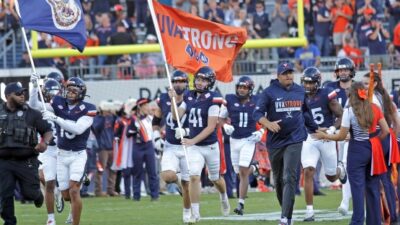
Virginia is the most populous U.S. state without a major sports franchise. There are no MLB, NFL, NHL, or NBA teams that exist in the area. That does not mean a good sporting culture itself is non-existent, with the state having a huge college program that includes teams like the Virginia Tech Hokies and University of Virginia Cavaliers. But could the state benefit economically from a major team, or have they stayed clear for very astute fiscal reasons?
The DC conundrum
One of the biggest stumbling blocks is the DC conundrum. The two states are in close proximity, and much fan loyalty is already taken up by a host of teams that are extremely proficient. Take the Washington Wizards, who have recently made big new signings like Trae Young to entice new fans.
Engaging with teams has also become easier due to digital and social media, fostering this loyalty. People don’t have to watch TV or read the news to find out about teams anymore. Nowadays, modern prediction markets such as Kalshi can be equally great places to explore people’s opinions on highly anticipated near-future outcomes. For example, Anthony Davis currently has a 92% prediction rating that his next team will be the Wizards.
All of this keeps people connected, building greater allegiances which happen to be outside the state. So if Virginia is to stake its claim to sporting fame, it has an awful lot to contend with.
The population spread
Wide population spreads are also an issue. While filled with people, the state does not have one main metropolitan hub or city. This means those from Northern Virginia can be quite distant from those in other areas like Richmond.
Lessons on this can be learned from Virginia’s last major team, the Virginia Squires, who existed back in the days of the American Basketball Association. The team had begun in Oakland, before being moved to Washington. Attendance was extremely low because of the neighborhood the stadium was situated in. Fans just didn’t want to travel that far to show their support. It also didn’t help that despite being on the East Coast, they played in the Western Conference.
What benefits could a major team bring?
The breadth and scope of finances for major league teams is too wide. An example can be found with a MLB game, though, which can generate up to $3 million in local economic activity. This impacts transport, hospitality, and small businesses. Increasing during major events, these don’t just have to be sport-based. Stadiums can be used for music and cultural events too.
Added to this are the wealth of jobs that appear. Stadium workers, media, backroom and marketing staff are all required. This could have a great impact in the current employment climate, particularly if it was placed in an area that needs an economic boost.
Most of the state’s hopes rest on the 20,000-seat arena Neptunes Pinnacle in Virginia Beach. Touted as a concert venue and sports arena, it has been placed on indefinite hiatus due to issues regarding the application to build a parking garage. A sports team had been one of the main motivators for building the ground. This could have been a real spark, and until more news is given, it seems like Virginia will have to continue looking to Washington for its major league sport.
This content is provided for informational purposes only and is not a substitute for professional advice. AFP editorial staff were not involved in the creation of this content.




 Share
Share