Having a good lawn is not rocket science The acidity or alkalinity of soil, whether your lawn receives sunlight or shade, soil temperature and moisture, as well as nutrients, air, water and space for roots are all factors in growing healthy grass. If any of these needs is restricted, the result can be a sparse, fragile, or blotchy lawn.
The thing I like about taking care of a lawn is it’s not very hard work at all, as long as you adhere to a couple of principles for your variety of grass, soil type, and weather. Consider your type of grass, the soil quality, drainage, sun exposure, how high to mow and signs of stress.
How sharp the blade is also plays a part – the grass suffers less when mowed with a sharp blade rather than a blunt or bent blade. When you need to replace your worn or rusted blades, there are good quality replacement lawnmower blades for sale that will fit your mower model and cutting deck. So, when you need another replacement, put UDC Parts in your cart and prepare for yet another mowing session. The company offers a wide range of standard size and shape types blades for several mowers models, however, it’s highly recommended that you check your model and blade details before buying the most suitable compatible model for you.
Begin with your soil and grass type
Your soil and type of grass drive just about every lawn care decision. Start with the soil, rather than the product shelf. Your grass will be better. “Focused care is helpful. “Focused care is helpful. Different grasses require different water, mowing height, sun and feeding. Soil influences root development and the lawn’s consumption of water and nutrients. Find out what’s going on under the grass before you put on fertilizer, lime, seed or other products. When your lawn is thin, pale or slow growing, these tips can help you know what to do and where to begin.
Test your lawn soil before you treat it
A soil test can indicate the pH of the soil along with the level of a few important nutrients. These results allow you to do more. The lawn may just be a little short of fertilizer or soil amendment. Over-fertilizing can also result in soft growth and more potential for runoff. Follow testing instructions from your local extension service or testing lab.
Select fescue that suits your yard
The grass should be suitable for the climate and soil conditions of the site. Cool-season grasses are adapted to moderate summer and cold winter temperatures. Warm-season grasses are best adapted to warm climate and have a good tolerance to drought and heat stress. Hours of direct light are also a factor since a number of grass species require a few hours of direct sunlight. Tree shade may call for a shade-loving grass or other ground cover.
How to water your lawn the proper way
Water is essential to good lawn care, but more water is not necessarily better. Light and frequent watering also trains root growth to take place near soil surface. The right amount and schedule depends on the grass, soil, weather, shade and rainfall. Rather than a set schedule that doesn’t take the conditions into account, inspect the yard. Grass that folds, turns pale or leaves footprints when you walk on it are all signs of early water stress. If you can, water in the early morning, when temperatures are cooler and water loss is minimized and leaves have time to dry. Set sprinklers to stop watering sidewalks, driveways or other areas that don’t need it. Reduce watering following beneficial rainfall, and factor in rain to your water budget. Grow deep roots not wet soil. Many times, a simple moisture check will give you more information than a timer by itself.
Mow your lawn at the proper height
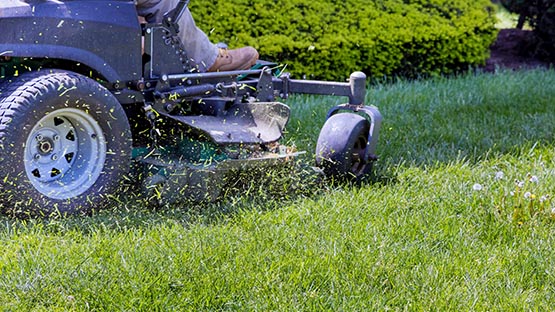
Mowing is one of the most frequent lawn care tasks, so small mistakes can add up. Cutting grass too short removes too much leaf tissue and can leave the plants vulnerable. Taller grass usually has more leaf area for photosynthesis. Taller grass can shade the soil. The ideal mowing height differs between grass species. Don’t cut at the same height as another lawn, use the mower setting that is recommended for your grass. Only cut grass when it is dry enough to cut cleanly and don’t take a large part of the leaf in one go. Regular mowing with a sharp blade will help to keep the surface even. It decreases damage.
Follow one-third mowing rule
A good rule of thumb is not to cut more than about one-third of the grass blade in any single mowing. If the lawn has grown too tall, raise the mower and cut it down in stages rather than taking off a large amount at one time. This relieves stress on the lawn and helps the grass to recover. You want a sharp blade that will cut the leaf, not tear it. Ragged cuts can leave damaged tissue and make the lawn look brown at the tips. Check the blade before the season starts, and inspect it during heavy mowing.
Feed your lawn to encourage healthy growth
The fertilizer is supplying nutrition that the grass is lacking, or at least not getting sufficient levels of, from the soil. Nitrogen is usually responsible for leafy growth and green color, with other nutrients being used for other things such as phosphorus and potassium having a role in plant growth. The right ratio varies depending on the soil and the grass. A soil test is far better guide than trying to guess by the color of the lawn. More fertilizer is not a better-fed lawn, so adhere to the product label for the rate and the timing. Rain can damage the grass, contribute to unwanted growth and cause nutrients to be washed into the water when it rains. Timing is important, too. Don’t feed drought stressed or damaged turf when it can’t use the nutrients.
Fertilize when the grass is actively growing and conditions allow for recovery. Water only if the label instructs you to do so and if local conditions warrant. Do not apply fertilizer to sidewalks and driveways or you run the risk of it washing into drains. Keep unused product in a dry place this is a secure place where children and pets can’t access it. A feeding program that is simple and based on the results of soil tests is easier to manage than one that requires you to make numerous applications based on guesswork.
Control weeds, thatch and lawn pests
Weeds grow where the grass is thin or the soil is exposed or the conditions are right for them. Best defense is a thick lawn, with the right grass, good mowing, balanced watering and proper nutrition. Pulling a few weeds by hand can work when the problem is small. Larger problems may require a treatment that is safe for the grass and suited to the weed. Read the product label before use and follow all instructions. Do not apply a lawn treatment simply because weeds are visible if the grass is under heat or drought stress. Good lawn care minimizes the conditions that enable weeds to take over. It’s easier to treat common lawn problems if you identify them before you choose a treatment:
- Weeds can indicate thin grass, poor mowing practices, or uneven growing conditions.
- When dead stems and roots are added faster than they are broken down, thatch builds up.
- Pests can damage leaves or roots and leave patches that look like drought stress.
- Lawn diseases spread when leaves stay wet for long periods of time and there is poor movement of air.
- Compacted soil can restrict roots, limit drainage and make water harder to use.
Thatch is a layer of living and dead plant material between the green leaves and the soil. A thin layer is good but a thick layer can prevent the movement of water and nutrients. Aeration of compacted soil or dethatching when thatch is too thick may help in some cases. Don’t pull out thatch just because there’s a little layer. First survey the lawn, then select the least disruptive method that will solve the problem. If pests or disease keep coming back, try to find the root cause instead of treating the same symptom over and over.
Lawn aeration, overseeding and repair
Aeration creates small openings in compacted soil and can improve air, water and root movement. It is most effective when the soil is hard, water runs off or the lawn receives heavy foot traffic. Core aeration pulls up small plugs of soil and makes room for roots to expand. Timing should match the grass type and local growing season. Don’t mow the lawn extensively when the grass is dormant or under severe heat stress. If the lawn has some bare spots that could use a little more grass, then overseeding after aeration can be helpful. Overseeding is the addition of grass seed to an existing lawn, as opposed to starting the whole area again. Choose a seed that is compatible with the existing grass and site conditions.
Prepare the soil surface, spread the seed evenly and keep the top soil layer moist as the seedlings grow. In the early stages, do not allow new seedlings to dry out. Stay out of heavy traffic until the new grass is established. If the bare spots are larger, fix the cause and then reseed or replace the turf. Otherwise the same trouble may recur when the new grass comes up.
Simple seasonal lawn maintenance routine
Seasons bring changes to lawn care. Spring is a good time to check out the lawn. Repair damaged areas, check equipment, and start mowing when growth increases. Summer often brings heat and drought stress, so closer attention needs to be paid to watering, mowing height and foot traffic. Fall can be a good time for aeration, overseeding and other work for many cool-season lawns. Winter usually needs less attention, but it’s still a good idea to avoid heavy traffic on frozen or saturated turf. A seasonal plan prevents things from becoming urgent. It helps you to take the right treatment at the right time.
The main seasonal tasks can be organized as follows:
- Spring: Check the lawn, test the soil if necessary, patch thin spots and start mowing at the proper height.
- Summer: Watch moisture, water well when needed, mow with sharp blade, try to reduce stress during heat.
- Overseed suitable lawns, aerate compacted areas, remove heavy leaf cover and prepare equipment for winter.
- Autumn: Winter: Limit traffic on frozen grass, store equipment safely, plan changes for next growing season.
Seasonal timings should be based on grass growth, not on a calendar. A warm spring may bring early growth; a cool spring, late. Rainfall can alter watering needs from week to week. A heat wave can mean less frequent mowing and a greater need for careful moisture checks. The best time for seeding and fertilizing also depends on local conditions. Watch the lawn. The more you do, the easier it is to make adjustments without additional effort.
Creating a basic lawn care routine that works
A beginner doesn’t need a laundry list of lawn treatments. There are of course a few repeatable tasks to get you going. Mow at the right height, check soil moisture, water when needed, look out for weeds and inspect the lawn for damage. Add soil testing, fertilizing, aeration or overseeding when the lawn or test results indicate a need. Keep the mower blade sharp and inspect the deck prior to the mowing season. Keep a record of dates for major tasks so you can see what worked and what needs to change. This simple lawn care routine saves you time, because each task has a purpose. A good routine also helps you catch problems early. Small changes are easier to replicate and monitor each season. Watch for uneven coloration, bare patches, puddles, abnormal patches and growth changes.
Check to see if the mower is cutting cleanly or ripping the grass. Watch for shady areas, which may require different care than sunny parts of the yard. When the lawn has a problem, don’t make several changes at the same time, you may not know which one helped. Make one reasonable adjustment, let the lawn respond and review the outcome. Good grass requires regular attention not a one off treatment. Soil, water, mowing, nutrients and type of grass all work together so a problem in one area can affect the rest of the lawn. Begin by determining what is growing in your yard and what the soil can support. Then build a seasonal routine that fits your climate and the amount of time you have available. Maintain equipment well, use products only when they are needed, and correct small problems before they become big ones. Using these lawn care habits is a simple process that builds stronger grass and a more even, durable lawn throughout the growing season.
This content is provided for informational purposes only and is not a substitute for professional advice. AFP editorial staff were not involved in the creation of this content.




 Share
Share