It can feel like it’s a lot of work to work out employment rights can be daunting, but the minimum wage is a part of fair employment rights. If you are an employee, knowing how this system works is crucial to safeguard your livelihood and your rights. This blog is a guide for you to verify your wage requirements in this country so you can identify and verify that your minimum wage requirements are met.
Identify your correct classification
Such a minimum wage is a fundamental benchmark, but most workers have access to a higher pay rate according to their job. Most employees are covered by an award, which is the legal document that sets the minimum payment you can expect based on your profession or job. You have to know which award covers your role before you can decide; it will set your minimum pay rate based on your employment.
Use official government resources
When seeking information on your pay, use official government sites like the Fair Work Ombudsman. They are designed to be accurate and have a clear and understandable reading. Don’t take any advice from unofficial forums or social media because pay rates can change. Your official tools will help you to know what you’re working with and to have the confidence to have a talk with your employer.
Understand your payslip details
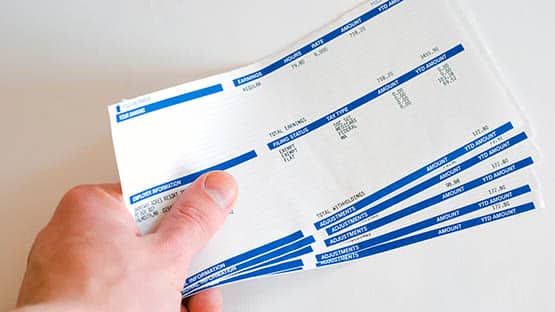
Always remember that your payslip is an important record that makes sure you are compensated by law. By law, your employer must provide you with a payslip within one working day of your pay, and it must contain some of the details of your pay rate. You can see mistakes early when you regularly read your payslip, so when you notice a discrepancy, you have the information to ask for clarification.
Differentiate between base pay and penalties
Australian minimum wage, for instance, is your base salary in your country, but your pay may be higher because of penalty rates for working weekends or late nights. In your award, the employer is required to pay these different rates in addition to the minimum wage. Plus, you’ll get your hands on your pay if you don’t distinguish the figures and keep a log of the hours you work, including any special shifts.
Know your rights regarding deductions
They are also not allowed to deduct money from your salary in the form of uniform money or damages from your work unless you give your written consent or it is explicitly allowed by law. You know what the minimum wage is and how much you are allowed to be deducted from your salary. If you see unexplained deductions, you can ask why or how it’s being paid, and you can control it.
Seek professional advice if unsure
If you have reviewed your award and your payslip and you still think something is not right, don’t hesitate to seek advice. Your union is a great source for members who need some help to understand their employment rights or negotiate better conditions. Where the situation is complicated, the Fair Work Ombudsman can provide advice and support to resolve disputes between employers.
Stay informed on annual adjustments
Every year, the national minimum wage is reviewed in your country, and the rate can rise based on the cost of living. When these changes are made, you have to see if these changes happen. The way you are aware of these changes means that you are aware of the time when your pay should go up. So be proactive about your own job, and ensure that you get what you deserve from your employers.
This content is provided for informational purposes only and is not a substitute for professional advice. AFP editorial staff were not involved in the creation of this content.




 Share
Share