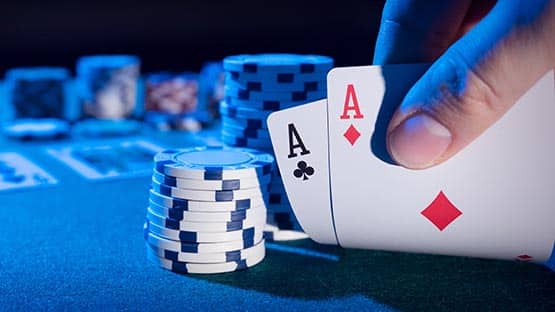
The deepest run in a major poker tournament can mean 12 to 16-hour days at the table, sometimes for close to two weeks with barely a day off. That is an endurance schedule, the kind many elite competitors would recognize. The two worlds look nothing alike from the outside, one all motion and one all stillness, yet poker players and professional athletes who reach the top share a set of habits that has little to do with cards or physical movement.
The unseen marathon
Stamina is the first hidden link. A poker player at a final table has to hold sharp focus through hour ten, when one late decision can still cost the entire prize. Lose concentration for one hand and a tournament that took days to build can end in a single misread. Competitors in demanding sports face the same challenge, where one lapse late in an event can undo hours of disciplined effort.
The fatigue is mostly mental at the table and mostly physical in sport, but the demand is remarkably similar. Both require a person to perform at a high level long after the body begins asking for rest. Those who consistently succeed prepare for the latter stages of competition rather than relying on a fast start, because that is where focus becomes the deciding factor. The winner is often simply the last person still thinking clearly.
Reading the game
Both pursuits depend heavily on pattern recognition. A poker player tracks how an opponent bets across dozens of hands, builds a model of their tendencies, and acts on that read before the cards confirm it. Whether in a long tournament poker session or another highly competitive environment, success often comes from recognizing subtle patterns before everyone else does. Competitive performers gather small signals, identify familiar tendencies, and make rapid decisions before every piece of information is available.
Neither read is ever completely certain. Every decision is based on probability, knowing that unexpected outcomes are always possible. The shared skill lies in collecting small pieces of information and converting them into sound decisions under pressure. With experience, recognizing patterns becomes less about instinct alone and more about countless hours of observation and preparation.
The off-season grind
The visible contest represents only a small part of the work. A serious player spends far more hours studying than competing, reviewing hands, drilling situations, and playing poker at home against software or friends to sharpen decision-making. The public rarely sees that side of improvement, yet it often determines who performs well when the stakes are highest.
That preparation is repetitive and, at times, monotonous. It separates those who remain satisfied with their current level from those who continue improving year after year. Consistent practice builds confidence long before any competition begins, making difficult decisions feel more natural when the pressure eventually arrives.
The shared slump
Every competitive pursuit has periods when results refuse to reflect the quality of the effort. In poker, a player can make consistently correct decisions and still lose over an extended stretch because short-term outcomes are influenced by variance. Other competitive environments produce similar experiences, where preparation and execution remain strong but success takes longer to appear.
The people who move through these periods successfully are usually the ones who are genuinely mentally tough, able to separate temporary outcomes from long-term performance. Rather than allowing setbacks to dictate future choices, they treat every experience as feedback and continue following a disciplined process. That ability to remain composed under pressure often becomes a greater competitive advantage than natural talent alone.
The physical base
The poker world once underestimated the importance of physical health, but that mindset has changed. More players now recognize that physical conditioning directly supports mental performance. Regular exercise helps regulate cortisol, the stress hormone associated with pressure, while improving circulation that supports concentration during lengthy sessions.
Strong physical habits also improve sleep, recovery, and overall consistency. When concentration begins to fade after many hours of competition, those small advantages become increasingly valuable. Technical ability may determine a player’s potential, but physical well-being often determines how consistently that ability can be expressed throughout a demanding tournament.
The cost of every choice
Every hand requires another decision, and every decision consumes mental energy. Over time, hundreds of difficult choices place increasing demands on the brain, leading to decision fatigue. As mental resources become depleted, people naturally become more likely to rely on shortcuts or less thoughtful judgments.
This is one reason experienced competitors rely so heavily on preparation and routine. They understand that preserving mental energy is just as important as developing technical skill. By reducing unnecessary decisions away from the table, they leave more attention available for the moments that truly matter.
Why competitive habits transfer
One of the most interesting lessons from high-level competition is that the habits behind success often remain the same regardless of the environment. Whether someone is competing in poker or another demanding discipline, long-term improvement usually depends on preparation, emotional control, resilience, and disciplined decision-making rather than momentary brilliance.
Pressure changes the setting, but it rarely changes the qualities required to perform well. Those who commit to continuous learning, maintain their routines, and trust a well-practiced process consistently give themselves the best chance of succeeding over time. The specific activity may differ, yet the mindset behind sustained excellence remains remarkably similar.
Conclusion
The connection between elite poker players and professional athletes runs much deeper than competition alone. Both succeed by developing habits that reward patience, preparation, resilience, and disciplined decision-making over long periods. Whether the challenge takes place on a field, a court, or at a poker table, lasting success belongs to those who prepare consistently, stay mentally composed, and keep performing when the pressure is at its highest.
This content is provided for informational purposes only and is not a substitute for professional advice. AFP editorial staff were not involved in the creation of this content.




 Share
Share