Virginia continues round-the-clock response to Jonas

 Share
Share
Virginia public safety officials continue to urge Virginians to stay off of the roads as the Commonwealth’s response to severe winter weather goes on.
 Share
Share
Virginia public safety officials continue to urge Virginians to stay off of the roads as the Commonwealth’s response to severe winter weather goes on.

 Share
Share
The U.S. Small Business Administration joined other federal and local government agencies across the country in reminding people to prepare for severe weather.
Share
Portions of Bridge Street, Green Street and Stuart Street in Staunton will be closed to through traffic beginning Feb. 1 and continuing through May 30.
Share
Farmers need to prepare for power outages, threats to livestock and poultry, and structural or crop damage, that can accompany a strong winter storm.
 Share
Share
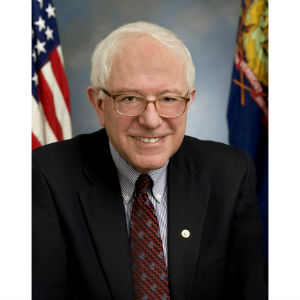
Former U.S. Sen. Paul G. Kirk Jr., a past chairman of the Democratic National Committee, on Thursday endorsed Bernie Sanders for president.
 Share
Share
The USDA has issued primary disaster designations for four Virginia counties due to losses caused by excessive rain and flooding that occurred Sept. 24-Oct. 6.
Share
The SBA is reminding small businesses, agricultural cooperatives and aquaculture businesses in Virginia of the deadline to submit disaster loan applications.
 Share
Share
The Sierra Club Borderlands campaign has spoken up against the substantial border wall construction, arguing that it has had dire consequences.
Share
The SBA’s Economic Injury Disaster Loan program is available to eligible farm-related and nonfarm-related entities that suffered financial losses.
 Share
Share
University of Virginia architecture and landscape architecture undergraduate and graduate students spent 10 days on Norwegian Arctic islands 800 miles north of the Arctic Circle.


Independent media doesn’t belong to billionaires or big companies – it belongs to you. If you find value in our work, please consider a contribution.