With warmer temperatures, hikers are already descending on the Appalachian Trail, but those who manage it say the technology they pack is having some negative effects on the experience.
A trail manager recently told a research team that the trail is “being loved to death” in part due to viral social-media posts that increase traffic to locations that don’t have the infrastructure in place for large crowds.
The trail draws 3 million hikers annually, people who set out on a journey in the wilderness that stretches from Georgia to Maine — some to tackle the entire 2,200 miles over a course of five to seven months. Others choose to do shorter day or overnight trips to enjoy specific sections of the trail.
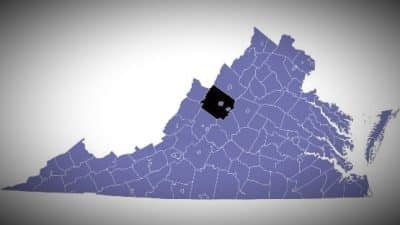
More than one-quarter of the trail is located in Virginia.
Today, many hikers are armed with smartphones, smartwatches, iPads and other technology.
Virginia Tech researchers recently published results of a two-year study, funded by the National Science Foundation, that sought to learn more about technology’s impact on the trail’s management.
“We wanted to understand how digital technologies transform hikers’ wilderness experiences,” said professor Shalini Misra, who leads the Public Interest Technology Lab in Arlington. “We also wanted to understand how trail managers perceive these changes and how they view the potential opportunities and challenges of digital technologies for sustainable trail management.”
Faculty and graduate students interviewed 18 Appalachian Trail resource managers who reported that social media specifically has led to the trail’s degradation, overcrowding and the spread of misinformation among hikers. The team also interviewed hikers and had them report their social media use through an app for the study.
Studies of this nature may be in jeopardy in the future as President Donald Trump’s administration and the Department of Government Efficiency, or DOGE, looks to slash anything it sees as “waste.”
Just this week, approximately 1,900 researchers sent a letter to the White House saying its current actions censors the quest for truth and calls on the administration to “cease its wholesale assault on U.S. science.”
The bad: Increase in foot traffic leads to ecological problems
Social media may be to blame for some ecological problems on the Appalachian Trail. When photos and videos are posted across multiple channels, those sites often draw huge crowds to the location. For example, Max Patch, a popular Appalachian Trail spot in North Carolina known for its 360-degree vistas, was busting at the seams with campers after a series of posts about the views went viral.
“Social media has the ability to go viral to places that don’t have the infrastructure to accommodate that use,” said Jeff Marion, a scientist and a retired adjunct instructor in the College of Natural Resources and Environment.
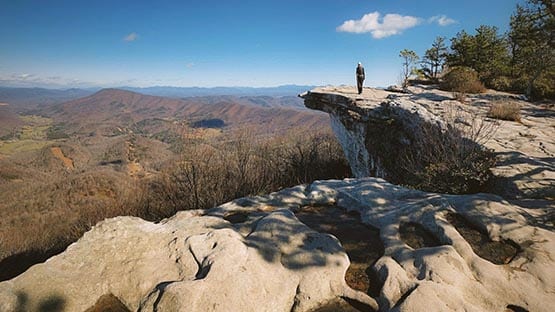
Trail visitor center staff describe regular demands from hikers wanting to know where a specific photo was taken so they can visit that exact spot. Such Instagram-popular locations include Virginia’s McAfee Knob, where there has been a spike in visitors in recent years.
The increase in foot traffic leads to soil erosion, root exposure, littering, vandalism and a host of other ecological problems, trail managers said.
Some hikers also camp in illegal or inappropriate locations along the trail and then share that information through popular mobile hiking apps leading to inaccurate data which is difficult for managers to correct.
The good: Accurate weather and food information
There have been some positive effects of digital technology, including up-to-date weather and information on nearby food sources. These conveniences allow less experienced hikers to attempt long-distance hikes, Misra said.
The researchers think a compromise would be to find a way to harness technology’s benefits while preserving the trail’s natural and cultural integrity.
The researchers suggested several ways that trail resource managers could use digital information to their advantage including:
- creating online platforms for hikers and trail managers to communicate and connect
- policy tools to regulate numbers of hikers in parts of the trail that are overused
“There’s a big potential to build that digital platform, but there needs to be someone who updates and maintains it, which is a significant barrier for the Appalachian Trail because it is managed through a cooperative management system and relies on volunteers,” Misra said.
One solution could be that hikers become volunteer stewards and take photos of areas on the trail where they spot needed maintenance, such as downed trees, and send that information to trail managers.
Support AFP


 Share
Share

Crystal Graham