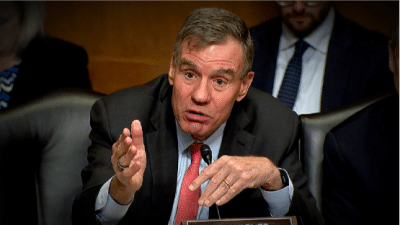
Donald McEachin (D-Va.) and Tim Ryan (D-Ohio) have introduced bipartisan legislation to incentivize food service providers such as grocers, retailers, and nonprofits to help eradicate food deserts.
According to the USDA, more than 20 million Americans live in food deserts, or areas in which it is difficult to buy affordable or good-quality fresh food. The Healthy Food Access for All Americans (HFAAA) Act sets up a system of tax credits and grants for businesses and nonprofits who serve low-income and low-access urban and rural areas.
“Every person, regardless of zip code, deserves access to nutritious, affordable food, yet too many families in my district live in areas that lack food access,” said Congressman McEachin. “Tragically, that reality has only been further exacerbated by the COVID-19 pandemic, which has made it increasingly difficult for families to afford healthy food. By creating a system of tax credits and grants to incentivize food providers to establish themselves in communities that traditionally lack fresh foods, the Healthy Food Access for All Americans Act is a strong step toward helping my constituents secure healthier food options for themselves and their families. We must do everything we can to eliminate food deserts in Virginia and across the country.”
“Our food system is broken and ineffective. In a country where obesity and diabetes rates are skyrocketing, and where over 20 million people live in food deserts, we cannot allow the status quo to continue. This legislation takes a big step in the right direction towards accomplishing that goal. Not only is it the right thing to do, but it makes economic sense to tackle a food system that is at the root of so much of our sky-high healthcare costs,” said Congressman Ryan.
“The National Grocers Association applauds House members for their efforts to remove obstacles to expanding access to nutritious food for rural and urban communities without a supermarket,” said Molly Pfaffenroth, NGA’s senior director of government relations. “Independent community grocers are leading the way to help those most in need of better food options. Better food options lead to stronger communities, and we look forward to working with Congress on this important bipartisan legislation.”
“Bread for the World is once again excited to see a bipartisan effort to address food deserts and improve access to nutritious food in low-income areas across America. 1 in 4 households reported experiencing food insecurity during this pandemic, and this legislation is desperately needed. Bread for the World thanks Representatives Ryan and McEachin for introducing this bill to reduce hunger in communities and improve health across the country,” said Heather Valentine, Director of Government Relations of Bread for the World.
In order to qualify for a tax credit or grant for servicing qualifying food deserts, business and nonprofits must be certified as a “Special Access Food Provider (SAFP) by the Treasury Department and USDA. The Healthy Food Access for All Americans Act qualifies as SAFPs those businesses and nonprofits who service food deserts through the following:
- New store construction: New grocery stores in a food desert will receive a one-time 15 percent tax credit (of the property plan and construction) after receiving certification from a regional CDE and Treasury/USDA as an SAFP.
- Retrofitting existing structures: Companies that retrofits an existing store’s healthy food sections can receive a one-time 10 percent tax credit after the repairs certify the store as an SAFP.
- Food banks: Food banks that build new (permanent) structures in food deserts, are eligible to receive a onetime grant for 15 percent of their construction costs, after certification as an SAFP.
- Temporary access merchants: Mobile markets, farmers markets, and some food banks that are 501©(3)s will receive grants for 10 percent of their service costs for that year.
For a map of areas in the United States that would qualify to be served as food deserts under this bill, click here.


 Share
Share

AFP