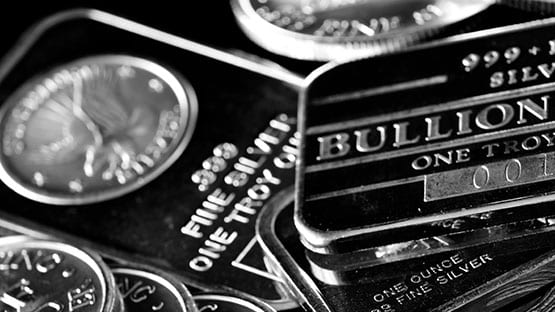
Physical silver comes in an enormous range of sizes. There are tiny pieces designed for novelty or fractional ownership, familiar coins and rounds, compact bars, and much larger products containing dozens or even hundreds of ounces. Yet one particular measurement has become especially recognizable across the precious metals market.
Part of its appeal comes from simplicity. A standardized amount makes it easier to compare products, calculate metal content, organize holdings, and follow changes in silver prices. Buyers don’t have to perform complicated conversions every time they look at another piece, while sellers can describe the amount of precious metal in familiar terms.
That familiarity helps explain why the 1 Troy Ounce Silver Bar has become such a recognizable format. It combines a standardized precious metal measurement with a physical size that’s straightforward to handle, store, count, and understand.
Why precious metals use troy ounces
The word ounce can create confusion because precious metals aren’t generally measured using the same ounce commonly used for everyday household goods. Gold, silver, platinum, and other precious metals traditionally use the troy weight system.
A troy ounce equals approximately 31.1 grams, while the more familiar avoirdupois ounce used for many ordinary products weighs about 28.35 grams. That difference matters when comparing precious metal weights or calculating how much metal a particular product contains.
The troy system has deep historical roots in trade and eventually became firmly established in precious metals markets. Today, quoted gold and silver prices commonly reference troy ounces, giving buyers, sellers, refiners, and dealers a consistent measurement for discussing physical metal.
Small enough to be simple
One-ounce silver products occupy a convenient middle ground. They’re substantial enough to feel like a meaningful piece of precious metal while remaining compact enough to handle without special equipment or complicated storage arrangements.
Counting holdings also stays straightforward. Ten individual one-ounce pieces represent ten troy ounces of silver, making it easy to keep track of total metal weight without repeatedly converting between larger units or unusual product sizes.
Divisibility adds another practical advantage. Someone holding several individual pieces can separate a portion without affecting the rest of the holding. Larger bars concentrate more metal into fewer objects, while the smaller standardized format provides flexibility for organizing, storing, or eventually transferring individual pieces.
How standardization changed bullion
Standardization removes some of the uncertainty that could otherwise make physical precious metals difficult to compare. When a product clearly identifies its weight and purity, buyers can quickly determine the amount of silver it contains.
Recognizable markings also make comparisons easier. Two bars may have completely different artwork, dimensions, or manufacturers, but standardized weight and purity specifications provide a common starting point for evaluating the actual precious metal content.
That doesn’t mean every product is identical. Refiners, designs, premiums, finishes, and manufacturing methods can vary considerably. Still, having consistent specifications gives the bullion market a shared language. Buyers can appreciate different designs while knowing exactly what quantity and purity of silver they’re considering.
Why one ounce continues to work
A standard survives when it remains useful, and the one-ounce format continues to offer a practical combination of characteristics. It’s portable, recognizable, easy to count, and generally more approachable per piece than substantially larger silver bars.
Storage can also be relatively flexible. Individual pieces can be organized in containers, cases, or other appropriate storage systems without the size and weight considerations that accompany much larger products.
Perhaps most importantly, the format is easy to understand. Experienced precious metal buyers already recognize the measurement, while newcomers can quickly grasp what they’re purchasing. That simplicity reduces unnecessary complexity in a market where weight, purity, premiums, and product types can otherwise give new buyers plenty to learn.
Conclusion
Precious metals have been weighed and traded for centuries, but a good standard remains valuable because it makes transactions easier to understand. The troy ounce provides that common measurement throughout today’s silver market.
Turning that measurement into an individual physical product adds practical advantages. One-ounce pieces are easy to count, reasonably compact to store, simple to compare, and divisible when someone owns several of them. Standard purity and weight markings add another layer of clarity.
None of those qualities is particularly complicated, and that’s exactly the point. The one-ounce format works because it removes complexity from physical silver ownership. A simple measurement became a familiar benchmark, and its balance of portability, recognition, and flexibility continues to make it one of silver’s most practical formats.
This content is provided for informational purposes only and is not a substitute for professional advice. AFP editorial staff were not involved in the creation of this content.


 Share
Share