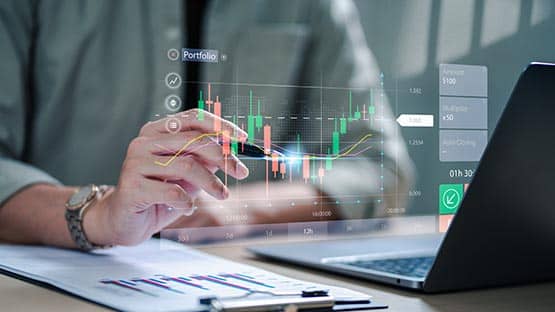
An automated trading system can look fantastic on a backtest. The charts show steady profits, losses don’t seem too scary, and the equity curve just keeps climbing. It is easy to fall into the trap of thinking, “If it worked before, it will work again.” Backtesting, though, can set up traders to be way too confident. To see why, you have to dig into how backtests go wrong.
Why backtests fool traders
Running a backtest just means you are running your strategy across past price data to see what would have happened. But the catch is, it is far too easy to use that data to make your system look better than it is.
Overthinking problem
Let’s say you are playing with a moving average system. The returns look weak at first, so you adjust the settings and change the MA periods, add another filter, adjust stop-losses, over and over. After enough fiddling, though, you might just fit the quirks of that exact data sample. There is a better way: keep your rules cleaner, stop tweaking endlessly, and always test your final idea on fresh historical data you did not use for development.
Look-ahead bias: Knowing what happens next
Another classic mistake is look-ahead bias. That is when your backtest “cheats” by seeing data from the future. For example, your system uses today’s closing price as a signal, then assumes you can magically trade at that close, even though you couldn’t actually know the signal until after the market shut. Little technical errors like this can seriously inflate your win rate. If you want a backtest you can trust, you should make sure you are following real-world rules around when you know things and when you can actually act.
Why live trading never matches the backtest
Backtesting just can’t capture everything that happens in a real market. Markets shift. Orders slip. Commissions pile up. What looks rock-solid on paper can fall apart when real money is at stake.
Costs that eat into returns
All those small fees add up fast. Slippage matters most during crazy markets. That “ideal” fill price in your test might not get it. An order lands two ticks off and suddenly that winning trade is break-even or worse. So, before you trust the backtest, you have to check if your strategy still works with average or even slightly worse fills. If it only makes money under the rosiest conditions, it probably is not ready.
Markets change and your strategy might not
An idea that killed it in a year-long bull market might fall apart once prices go sideways. In other cases, it might work in calm waters but blow up when volatility spikes. This doesn’t always mean your method is not good. It means sometimes the market just isn’t suited for your style. It is necessary to run your tests during trending, choppy, and volatile periods.
How to run smarter, more trustworthy backtests
A good backtest is about stress-testing your idea until you find out where it cracks.
Build a more realistic testing process
First, you have to pick your entries, exits, stops, and position sizes before looking at any results. You would use one chunk of historical data for building, and reserve the rest for testing. This shows you if the strategy works outside the “training” zone. It is also necessary to add real trading costs. Does the system still earn if you tweak an indicator by a day or two? If a tiny change kills it, you are probably overfit. After that, you can forward test it with paper trading or a demo. You can watch how it runs on live data, with no money at risk. Just keep in mind that even demo results aren’t perfect and real execution can differ.
Choose automation tools with care
Once you have a strategy that holds up, you would look for the right tools to automate it. If you are exploring ways to put a tested strategy into practice, you can check out the AvaTrade auto trading app to learn more about the available automation options. It is best to take the time to figure out how your system gets traded: order types, risk controls, monitoring. Automation enforces discipline, but it will not magically fix a broken system. If results are way off, losses pile up, or the market looks different, you should not ignore it. This does not mean you have to switch things up out of panic after every loss, but don’t assume a strategy remains effective just because it worked last year.
Bottom line: The real purpose of backtesting
The point of backtesting is to expose flaws, compare ideas, and get a feel for when (and how) your approach might stumble. The danger comes when you see great past results and believe you have found a gold mine.
The right way to go is a mix of tough testing, double-checking your beliefs, baking in realistic costs, and always watching your system’s results. The strategy you should trust isn’t the one with a perfect backtest. It is the one whose weaknesses you understand before risking real money.
This content is provided for informational purposes only and is not a substitute for professional advice. AFP editorial staff were not involved in the creation of this content.
Support AFP



 Share