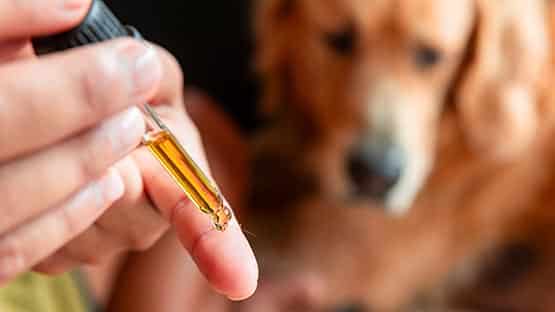
Twelve seconds. That’s how long the average shopper spends looking at a product page before deciding to scroll or buy, and CBD sellers know it. So the front of the bottle gets the sunset photo, the word organic in a script font, and a little cartoon paw. The things that would actually help you compare two brands sit in the ingredients panel and a lab results page most people never open.
Here’s a better approach. Instead of comparing brands on vibe, compare them on four things you can verify in about ten minutes: a batch-specific lab report, the actual milligram count per serving, the ingredient list, and the answer you get when you ask a real question before buying. I’ve run this check on everything from gas station gummies to small farm brands, and it separates the serious sellers from the dropshippers fast. If you want a straightforward example of a brand that publishes its sourcing and testing up front, look at how a careful cbd pet company presents its certificates, then hold every other brand to that same standard.
The method below isn’t about finding a perfect product. There’s no such thing. It’s about spotting the shortcuts sellers take when they’re counting on you not to look.
Start with the lab report, not the logo
Every batch of CBD should have a certificate of analysis from an independent lab. Not the brand’s own in-house lab, and not a screenshot of a report from three years ago. You want a document tied to the specific batch number printed on the bottle in front of you.
What’s on it matters too. Look for the cannabinoid panel and a pesticide screen. If the report shows only a total CBD number and nothing else, that’s a red flag the size of a dinner plate. The federal government has been clear about the patchy state of testing in this market, and agencies like the National Institutes of Health have funded research into exactly how inconsistent product labeling has been. A brand that publishes full panels is telling you it has nothing to hide. One that buries the report behind a contact form is telling you something too.
I’d rather buy from a brand with a mediocre product and a clean, current report than from a gorgeous brand with no report at all. At least I know what I’m giving my dog.
Do the milligrams-per-drop math yourself
This is where the packaging gets sneaky. A bottle that says “1000mg” in giant letters might contain 30 servings or 100, and the difference changes your real cost by a factor of three. Before you compare prices, divide total milligrams by serving count. That number, not the big label, is what you’re paying for.
| What the label says | What you should check | Why it matters |
| Total mg | Servings per bottle | Gives you mg per serving |
| “Full spectrum” | THC level on the report | Trace amounts add up for small pets |
| “Organic” | USDA seal, not just the word | Marketing claims are loose |
| Price per bottle | Price per milligram | Only apples-to-apples figure |
Pair that with weight. A 12 pound terrier and a 90 pound Labrador are not splitting the same dose, and any brand that hands you one universal squirt instruction hasn’t thought hard about its customers. A seller that publishes a dosing guide organized by weight gets my attention immediately.
Read the ingredient list like you mean it
Carrier oils matter more than most buyers realize. MCT oil, hemp seed oil, and olive oil all behave differently, and some pets tolerate one far better than another. If the list includes preservatives, artificial flavoring, or a vague “natural flavors” catch-all, ask what those actually are.
Here’s the part that requires you to slow down. The word organic is regulated, and the U.S. Department of Agriculture sets the rules for when a product can carry that seal. A brand can print “made with organic ingredients” in a pretty font without holding certification. Either it has the seal or it doesn’t. There’s no middle ground, no matter how the label is styled.
I also want to know what the product doesn’t contain. No THC beyond trace amounts. No fillers. No mystery “proprietary blend” that lets a company hide small quantities of cheap ingredients behind one vague line item.
The test most buyers skip: Ask a question
Before you spend a dollar, send the brand one specific message. Ask which lab tested the batch you’re looking at, or how they recommend adjusting the serving for a senior dog on other medications. The reply tells you more than any about page.
Fast, specific, human answers are a good sign. Copy-pasted marketing language, a brush-off, or silence is your answer too, just a less pleasant one. You’re not being difficult. You’re doing the one thing the seller hopes you won’t.
And know your rights while you’re at it. The Federal Trade Commission enforces truth-in-advertising rules, which means claims have to be backed by evidence. If a brand promises your arthritic dog will bound up the stairs again, that’s a claim with a legal standard behind it, and you’re allowed to be skeptical.
A ten-minute comparison you can run tonight
Open two brand pages side by side and work through this in order. Don’t skip steps, because the shortcuts are designed to make you stop early.
- Find the current lab report and confirm the batch number matches the bottle.
- Calculate milligrams per serving, then price per milligram.
- Read the ingredient list and check for a real USDA seal.
- Look for a weight-based dosing guide on the site.
- Send one specific question and time the reply.
Whichever brand survives all five wins. If neither does, you’ve saved yourself a return label and a disappointed dog.
One more thing, and it’s the boring one. Buy from a seller that will take the product back if your dog turns its nose up at it. A generous return policy costs the brand something, which is exactly why it signals confidence.
What you’re really buying
You’re not buying a bottle. You’re buying the testing, the sourcing, and the honesty of whoever filled it. Packaging is cheap and photos are cheaper. The report and the ingredient panel are the only parts of the product a marketing team can’t rewrite.
Run this comparison once and you’ll never shop the same way again. You’ll spot the canned photos and the missing batch numbers in seconds, and the brands that earn your trust will keep earning it. The next time a new label catches your eye, ask the one question that matters: where’s the report for this batch? Then watch how fast the answer comes back.
This content is provided for informational purposes only and is not a substitute for professional advice. AFP editorial staff were not involved in the creation of this content.
Support AFP



 Share