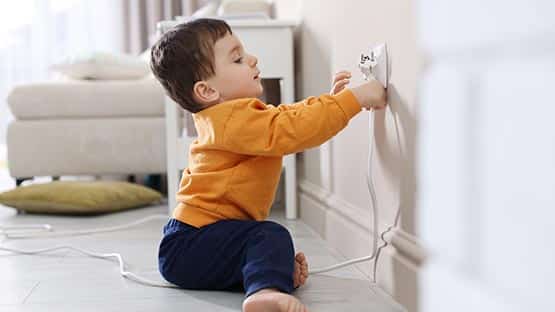
Ensuring the safety of young children at home is a top priority for any parent or caregiver, and electrical outlets can present serious hazards when left unprotected. In Australia, children under five are especially at risk of electric shock from exposed sockets, making effective childproofing an essential part of creating a safe living environment. Taking simple preventive steps helps reduce accidents, supports safer exploration, and gives families greater peace of mind.
This guide explores practical and reliable strategies for protecting your outlets, including tips commonly recommended by professional electrical services. You’ll learn safe, convenient ways to childproof your home’s electrical points while still maintaining easy everyday access for adults.
Understand the risks
Electrical outlets are designed to provide easy access to power for appliances and devices, but this accessibility can be dangerous for curious children. Young children may insert fingers, toys, or metal objects into sockets, risking severe shocks, burns, or even more serious injuries.
Research from the Australian Competition and Consumer Commission (ACCC) highlights that most electrical accidents in the home occur in common living areas such as the lounge, kitchen, or playrooms. Understanding these risks is the first step in creating a comprehensive safety plan.
Start with a home electrical assessment
Before implementing childproofing measures, it’s important to assess your home’s electrical system. Identify all outlets within reach of children, including those near floors, counters, and low shelves. Pay particular attention to outlets in play areas, bedrooms, and kitchens, as these are high-traffic zones where children spend significant time.
A thorough assessment also helps determine if your outlets comply with current Australian electrical safety standards. Older homes, particularly those built before the 1980s, may have outdated wiring or non-compliant outlets that require professional attention.
Use outlet covers and plugs
One of the simplest and most effective ways to childproof outlets is by using outlet covers or plugs.
These devices block access to live electrical components and are available in various designs:
- Plastic outlet plugs: Simple, low-cost inserts that fit snugly into unused outlets. They are ideal for rooms where outlets are rarely needed.
- Sliding outlet covers: Installed directly over the outlet, these covers automatically slide closed when the socket is not in use, offering convenience for adults while maintaining child safety.
- Box-style outlet covers: Encase the entire outlet and connected plugs, preventing children from tampering with cords or inserting objects.
When selecting outlet covers, ensure they meet Australian safety standards and are difficult for children to remove. Frequent checks are also important to ensure they remain securely in place.
Consider tamper-resistant outlets
For long-term safety, tamper-resistant outlets (TROs) are a smart investment. These outlets have built-in shutters that prevent foreign objects from being inserted. TROs are now standard in new Australian homes and renovations, offering a permanent solution without the need for additional covers.
Installing tamper-resistant outlets may require a licensed electrician, but the investment is worthwhile for families seeking a safer, more convenient option. These outlets reduce the risk of electric shock while allowing normal use by adults with standard plugs.
Secure cords and cables
Even with outlet covers in place, exposed cords can attract children’s attention. Tangled cords or cables can be pulled, chewed, or yanked, posing electrical and strangulation hazards. Use cord organizers, clips, or covers to secure wires along walls and out of reach of children. Avoid running extension cords across floors or under rugs, as these increase the risk of trips, falls, and accidental contact with electrical components.
Educate children about electrical safety
While physical barriers are essential, educating children about electrical safety is equally important. Teach them that outlets, cords, and plugs are not toys, and explain the potential consequences of improper contact. Simple, age-appropriate conversations can reinforce safe habits and complement physical childproofing measures.
Regularly inspect your outlets
Childproofing is not a one-time task. Regularly inspect outlets, covers, and cords to ensure they remain secure and functional. Replace damaged plugs or covers immediately and ensure any signs of wear or loose connections are addressed by a licensed electrician. Routine inspections maintain ongoing safety and help prevent accidents before they occur.
Safety tips for multi-outlet areas
In areas with multiple devices plugged in, such as home offices or entertainment zones, consider additional strategies:
- Use outlet boxes or enclosures to protect multiple sockets simultaneously.
- Avoid overloading outlets with multiple extension leads.
- Keep high-use appliances on higher surfaces, away from children’s reach.
These measures complement standard childproofing techniques, creating layered protection throughout your home.
Final thoughts
Childproofing electrical outlets is a vital step in creating a safe home environment for young children. By understanding the risks, conducting a thorough home assessment, installing outlet covers or tamper-resistant outlets, securing cords, and educating children about electrical safety, families can significantly reduce the likelihood of accidents.
Regular inspections and proactive safety measures ensure your home remains secure as children grow and explore. For Australian families, combining practical childproofing devices with professional guidance from licensed electricians offers the most effective approach, providing both safety and peace of mind.
This content is provided for informational purposes only and is not a substitute for professional advice. AFP editorial staff were not involved in the creation of this content.




 Share
Share