Lawrence S. Wittner: Who speaks for the world?
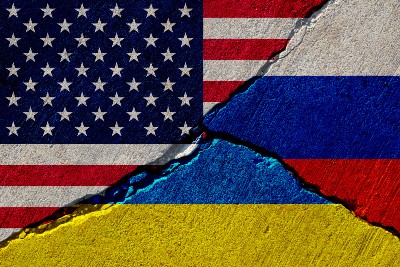
Russia’s brutal war upon the nation of Ukraine should remind us that, for thousands of years, great powers have used their military might to launch military assaults upon smaller, weaker societies.

Russia’s brutal war upon the nation of Ukraine should remind us that, for thousands of years, great powers have used their military might to launch military assaults upon smaller, weaker societies.

Over a month has passed since Russia launched its invasion of Ukraine, and economists and counter-crisis experts suggest the economic and political ramifications are still taking shape.

The problem that the Israeli government and Palestinians leaders face today is how to contain the violence and prevent further killing of innocent people by either side.

How will it end? In the wake of Ukraine’s stunning and stubborn resistance to Putin’s invasion, the question whose answer once seemed preordained now can be asked in all seriousness.

Public safety officers tend to retire earlier than people in other occupations because of the physical demands and unique job hazards they face on the job.

While the invasion of Ukraine is a body blow to worldwide hopes for peace, it is still an opportunity to reassess establishment thinking about nuclear deterrence.

Military spouses consistently experience unemployment rates substantially higher than the national rate, and two thirds of employed active duty military spouses report underemployment.

The ghastly blockade and bombardment of Yemen, led by Saudi Arabia and the United Arab Emirates, is now entering its eighth year.

One of the more interesting developments in Putin’s war on Ukraine is the retreat of China from full-fledged support of Russia.

As we lock horns with the cruel and out-of-touch Putin, once again we’re at a moment that too closely resembles the Cuban crisis of 1962.
Our content is free to read, but we do have bills to pay. Pitch in and help us keep the community informed.