Earth Talk: New school lunch nutrition standards

Roddy Scheer

Indeed, some 31 million American kids participating in the federally supported National School Lunch Program have been getting more whole grains, beans, fruits and vegetables in their diets—whether they like it or not. The change is due to new school meal standards unveiled by the U.S. Department of Agriculture (USDA) last January, per the order of 2010’s Healthy, Hunger-Free Kids Act. The new standards are based on the Institute of Medicine’s science-based recommendations, and are the first upgrade to nutritional standards for school meals since 1995 when low- and no-fat foods were all the rage.

Earth Talk: The impact of deforestation on global warming

Roddy Scheer

By most accounts, deforestation in tropical rainforests adds more carbon dioxide to the atmosphere than the sum total of cars and trucks on the world’s roads. According to the World Carfree Network (WCN), cars and trucks account for about 14 percent of global carbon emissions, while most analysts attribute upwards of 15 percent to deforestation.

Waynesboro receives Locality Stormwater Program Development Grant

AFP

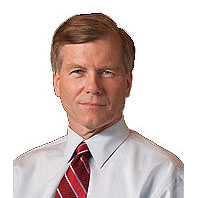
Gov. Bob McDonnell announced this week the award of 59 Virginia Locality Stormwater Program Development grants totaling more than $2 million statewide. These grants, including one to the City of Waynesboro, will assist more than 100 local governments in developing locally run programs to reduce stormwater runoff from developed lands.

Fall prevention is crucial as weather changes

Chris Graham

The fall season brings beautiful colors, but wet leaves under foot may bring a dangerous fall for older adults. According to the National Council on Aging, every 15 seconds an older adult is seen in a hospital emergency department for a fall-related injury. Nationally, falls are the leading cause of both fatal and nonfatal injuries for those aged 65 and over. Moreover, the chances of falling and being seriously injured in a fall increase with age.

Earth Talk: Greening professional sports

Roddy Scheer

Professional sports, like many other pursuits, are getting greener every day. While pro leagues and teams have traditionally been the last to go green, it has all changed in recent years. Maybe it’s the fact that wasting less saves money. Or that going green generates good public relations. Or that it’s just the right thing to do. Whether it’s any or all-of-the-above, professional sports certainly have never been greener.

Succumbing to EMU’s magnetism, once, twice, thrice

AFP

If Joelle Hackney had had her way when she was 18, she would have started college 2,400 miles from Eastern Mennonite University (EMU), at Humboldt State in Arcata, California. But by the summer after her 2001 graduation from Stuart’s Draft High School in Augusta County, Va., Humboldt’s steep tuition and other logistical considerations forced her to put that dream on hold.