JUMP campaign to exhibit Reconstruction-era history

The silhouette is more than a shadow in a current crowdfunding campaign. Its voice is a revelation of what it meant to be African American during the Civil War and Reconstruction period.

The silhouette is more than a shadow in a current crowdfunding campaign. Its voice is a revelation of what it meant to be African American during the Civil War and Reconstruction period.
Scientists have made a surprising discovery about how strange bacteria that live in soil and sediment can conduct electricity.

The Virginia Tech Transportation Institute (VTTI) has received a Safe System Innovation Grant from the Road to Zero Coalition to advance its educational outreach to high school students.

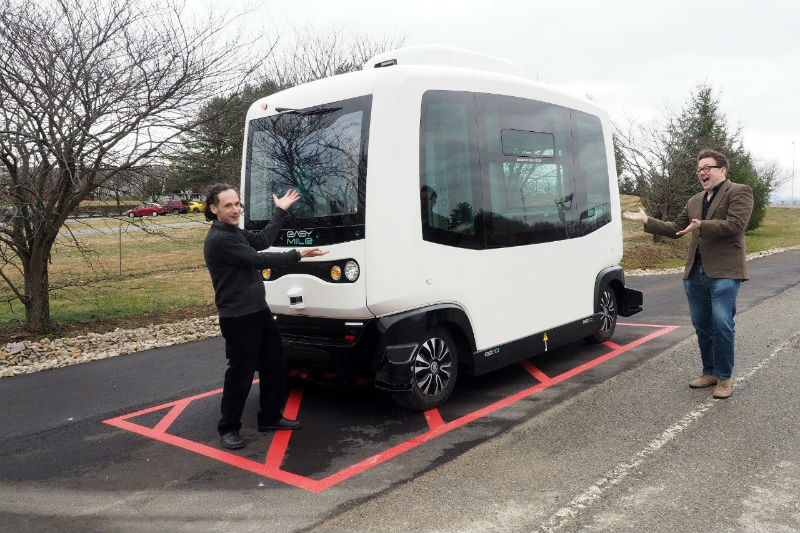
The Virginia Tech Choices and Challenges Forum is asking what the outlook for self-driving cars will mean to the local community.

Have you noticed how much life increasingly feels like an episode of The Twilight Zone?

No Kid Hungry Virginia and partners announced the winners of the third annual Virginia Breakfast Challenge, a campaign to increase school breakfast participation across the state.

When not in Washington, D.C., voting in the U.S. House of Representatives during March, I was able to visit several sites where exciting research projects are underway. Previously, I wrote about some of them at Virginia Tech.

Scientists have mapped out how the body transports testosterone, and their surprising findings may explain low testosterone levels seen in men with diabetes or patients on certain medications.

Close to 100 Virginia Tech students are wagering their grades on this year’s tournament in what has become an annual tradition of combining hoops and data in Bill Roth’s Introduction to Sports Media course.

The majority of people playing football in the U.S. aren’t NFL players or collegiate athletes —they’re youth players, less than 14 years old. But until now, there hasn’t been independent data evaluating the effectiveness of the helmets these athletes wear on the field.
We have reached 57 percent of what we need to fund critical operations for 2026. If you have been waiting for the right time to support AFP, this is it.