
Overlap in computer modeling holds key to next-generation processing

Exascale computing — the ability to perform calculations at 1 billion billion per second — is what researchers are striving to push processors to do in the next decade.
Exascale computing — the ability to perform calculations at 1 billion billion per second — is what researchers are striving to push processors to do in the next decade.
Nonnative species that are introduced into ecosystems are a growing concern for scientists and conservationists.

An organism that uses a 3.5-billion-year-old process holds the key to understanding modern-day functions, such as digestion.

An uncomfortable truth of modern medical science: chances are nobody knows when your drugs are working.

Iconic dinosaur shapes were present in animals for at least 100 million years before dinosaurs themselves actually appeared.

United States Army soldiers on 72-hour missions sometimes carry seven types of batteries weighing up to 16 pounds.

Look closely at the raw materials that make up any group of cells and you’ll notice some “noise,” natural variations in cellular composition.

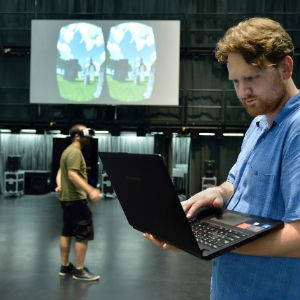
Virtual and augmented reality technologies are changing the research landscape. Scientists can now be transported to any place in the universe.

Find it hard to believe that Flint, Michigan is the only city or town in the U.S. with lead contamination of its water system?

The current obesity epidemic is so grave that 2.7 billion people — nearly a third of the world’s population — are estimated to be obese by 2025.
If you value our work, pitch in and help power Augusta Free Press in 2026 and beyond.
