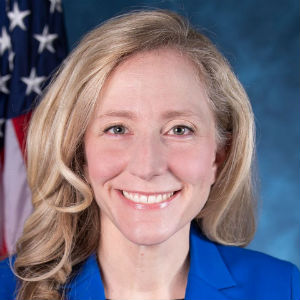
 Rep. Abigail Spanberger is calling for smart implementation of federal conservation programs and for federal agencies to heed the input of crop and livestock producers on the ground as implementation continues.
Spanberger, chair of the House Agriculture Committee’s Conservation and Forestry Subcommittee, asked U.S. Department of Agriculture (USDA) Natural Resources Conservation Service (NRCS) Chief Matthew Lohr and USDA Farm Services Agency (FSA) Administrator Richard Fordyce about the progress of changes to voluntary conservation programs under the 2018 Farm Bill’s Conservation Title—including the Conservation Reserve Program (CRP) and the Environmental Quality Incentives Program (EQIP).
The FSA’s CRP signup for 2020 began in December 2019 and closes on February 28, 2020. Click here to watch the full hearing.
In her opening statement at a Tuesday subcommittee meeting, Spanberger expressed strong support for voluntary conservation programs that promote soil health, improved water quality, and a safe water supply. Additionally, she stressed that both NRCS and FSA should be fully staffed to achieve these benefits for farmers and ranchers in Central Virginia and across the country.
“In Central Virginia, farmers are some of our strongest conservationists. They understand the complex ecosystems they inhabit, and they cherish the role they play as stewards of the land. From my many discussions with our district’s growers, I know they recognize the clear benefits of voluntary conservation programs—including strengthened soil health, wildlife preservation, clean water, and additional revenue in our rural communities,” said Spanberger. “To make sure these benefits last for generations to come, we need to effectively implement these programs. Today’s hearing was another opportunity for my Subcommittee to provide oversight of USDA’s conservation strategies at the local and regional levels. Effective implementation begins with gathering input from producers on the ground about the successes and pitfalls of program changes, and I’d like to thank Chief Lohr and Administrator Fordyce for outlining USDA’s recent progress, addressing some of the challenges identified by farmers, and outlining a roadmap toward eventually achieving the intended conservation outcomes of the 2018 Farm Bill.”
“The discussion that Chairwoman Spanberger led in today’s hearing is an important one, and it centers on how farmers and landowners are using the farm bill conservation programs to accomplish cleaner water and healthier soil,” said U.S. House Agriculture Committee Chairman Collin Peterson (D-MN-07). “No matter how ambitious they might be on paper, programs don’t mean anything if folks won’t put them into practice on their land. The hearing today was a good conversation on what’s working, what’s not, and how we help these programs accomplish what we set them out to do.”
This hearing builds on Spanberger’s efforts to examine how farmers can balance the environmental benefits of voluntary conservation programs with the practices they need to grow their businesses. Last month, Spanberger led a hearing focused on expanding Historically Underserved Farmers and Ranchers’ access to the USDA’s conservation programs. During the hearing, Spanberger heard from Irvin White—a first-generation farmer and consultant with a business based in Louisa County.
Since arriving in the U.S. House, Spanberger has worked to amplify the voices of Central Virginia farmers like White, understand economic issues facing the district’s rural communities, and give crop and livestock producers a seat at the table in the federal decision-making process.
In October, Spanberger led a hearing focused on achieving the financial and conservation benefits of precision agriculture. Spanberger invited Dustin Madison—a farmer and crop consultant from Louisa County in Virginia’s Seventh District— to testify about how farmers can use precision ag tools to achieve tangible conservation benefits.


 Share
Share
AFP