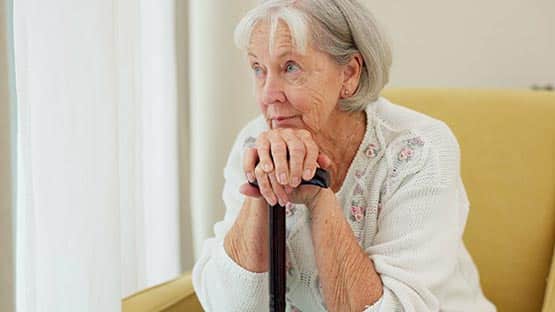
Growing older usually comes with a numerous concerns that are rarely discussed. You might be concerned about falling when nobody is around, dealing with an unexpected medical problem, or getting help as quickly as possible when every minute counts. At the same time, you want to preserve your independence without always being dependent on others. This balance between freedom and safety can be a hard one to achieve.
Fortunately, technology has shifted the way personal safety is handled as you age. Modern medical alert systems are designed to facilitate daily life while being prepared for emergencies. They work silently in the background, providing reassurance without disrupting your daily life.
This article discusses how medical alert technology promotes senior safety, the features that are most important, and why this technology has become a crucial element of independent life.
Immediate emergency response when it matters most
Medical emergencies may rarely give you time to think. A sudden fall, dizziness, or health complication can make even simple actions quite difficult, and delays in getting help often increase the risk. This is why immediate emergency response is one of the most important functions of medical alert technology in seniors’ safety.
In many modern systems, including those developed by companies such as Life Assure, speed and clarity are the two main design principles behind emergency response. A wearable device enables you to make an immediate connection with trained responders, taking away the need to search around for a phone or to remember emergency numbers during stressful times.
Additionally, two-way voice communication helps responders to evaluate the situation in real time and take the appropriate action without confusion. As a result, help can be sent more quickly, which makes medical alert technology a good safety net for supporting independence while being prepared for the unexpected.
Fall detection technology adds an extra layer of protection
Falls are one of the most common safety hazards for the elderly. While pushing a button in a situation does work, not all falls will have the time or awareness to do so.
For this reason, many modern medical alert systems have automatic fall detection. These sensors detect sudden movements or impacts that resemble a fall and issue an alert automatically.
Additionally, this feature is particularly useful in the dark or in situations of disorientation. Even if you can’t respond verbally, monitoring centers can take action based on the alert.
Consequently, fall detection will provide peace of mind not only for you but also for your family, who might be concerned about missed emergencies.
Support independence without constant supervision
Safety solutions should never feel restrictive. Instead, they should foster belief in everyday activities. Medical alert tech does it by working silently in the background and only stepping in when necessary.
Wearable devices such as pendants or wristbands are lightweight and comfortable. They easily integrate into everyday life without attracting attention and restricting movement.
Furthermore, water-resistant designs can be used to provide protection during activities such as bathing, which is statistically one of the most common home locations for falls. This ensures safety covering is carried to the moments that are often overlooked.
As a result, you may continue to live alone with the knowledge that support is always close at hand.
Protection that extends beyond the home
Safety concerns don’t stop at the front door. Many seniors maintain an active lifestyle, whether running errands, visiting friends, or taking a daily walk. Therefore, medical alert technology has expanded beyond the home-based systems.
Mobile medical alert devices now have GPS trackers that allow users to share their location in the event of an emergency. This helps the responder to locate you easily, even if you are away from home.
Additionally, these systems are designed to work across large distances, making sure that you are supported wherever you go. This added mobility eliminates the fear of being unprotected while outside.
In turn, being active is less stressful and more pleasant.
Reliable monitoring and clear communication
Behind all successful medical alert systems is a reliable monitoring process. Technology alone is not adequate without trained professionals who are ready to respond.
Monitoring centers are active around the clock, ensuring that alerts are never missed. When an alert is pulled, responders communicate clearly and calmly, which helps to reduce the feeling of panic in stressful moments.
Moreover, clear communication enables the responders to identify the next steps to take. Whether assistance involves emergency services or making a member of the family aware, the actions are taken efficiently.
This reliability fosters trust and makes medical alert systems a trustworthy safety partner instead of just a device.
Peace of mind for seniors and families alike
While medical alert technology directly supports seniors, its impact extends beyond the user. Family members often carry unspoken worries about loved ones living alone.
Knowing that professional help is always available reduces anxiety and strengthens confidence in independent living arrangements. It also minimizes the need for constant check-ins, allowing relationships to focus on connection rather than concern.
Furthermore, simple setup and clear usage instructions ensure the technology remains accessible, even for those who are not comfortable with complex devices.
Ultimately, peace of mind becomes one of the most valuable benefits of medical alert technology.
Conclusion
Medical alert technology has reshaped how senior safety is managed in everyday life. By combining immediate response, fall detection, mobile coverage, and reliable monitoring, these systems address real concerns without compromising independence.
As technology continues to evolve, safety solutions are becoming more intuitive, discreet, and supportive. Choosing the right medical alert system is not about preparing for the worst, but about enabling confidence, freedom, and security every day.
When safety feels effortless, independence becomes easier to enjoy.
Support AFP



 Share
Share