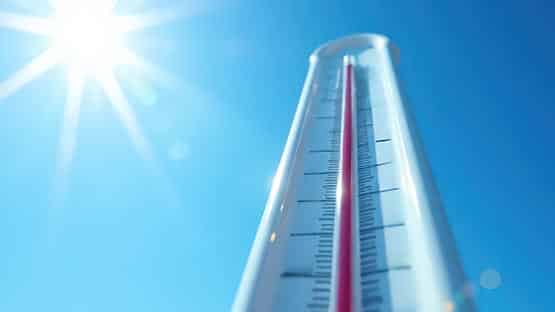
A “heat dome” is worse than a “heat wave,” I’m learning, because “heat dome” refers to hot weather that can last a week or more, while a “heat wave” can be over in as few as three days.
We all know something new now.
Another key difference: “Heat domes can prevent clouds from forming, resulting in abundant sunshine that boosts temperatures, potentially toward record levels,” AccuWeather Chief Meteorologist Jonathan Porter said.
This is why, during our upcoming unwanted experience with a heat dome, my home location, Waynesboro, is going to be basically high and dry starting Tuesday and running into next week.
Which is particularly bad news, given that we’re under a drought warning advisory.
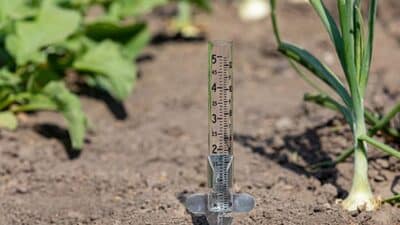
The AccuWeather folks warn that, in addition to the sweltering heat, the nearly uninterrupted sun dries out soils more quickly, increasing drought risk, and light winds allow pollutants to build up, worsening air quality, particularly in urban areas
“The lack of cloud cover, rain and any cooler air flow from the northern latitudes allows air temperatures to warm rapidly,” Porter said. “Additionally, heat domes promote excessive evaporation, so the soil dries out more quickly.”
Other things to watch for over the next several days
- Increased demand on the electrical grid, raising the risk of power outages.
- Buckling to roads, bridges and railroad tracks.
- Flight delays or cancellations when temperatures exceed aircraft operating limits.
Travel tips
If you’re traveling to an area experiencing extreme heat, preparation can make all the difference.
- Drink water consistently.
- Schedule outdoor activities during the morning or evening.
- Wear loose-fitting, breathable clothing.
- Seek shade and air conditioning whenever possible.
- Learn the warning signs of heat exhaustion and heat stroke.
“Heat waves kill more Americans on average than tornadoes, hurricanes, floods, and lightning,” Porter said. “The danger is often underestimated because heat frequently worsens existing medical conditions.”



 Share
Share

Chris Graham