Warner, Kaine highlight federal budget impacts on Virginia

 Share
Share
U.S. Senators Mark Warner and Tim Kaine applauded Senate passage of the Fiscal Year 2016 Omnibus Appropriations bill.
 Share
Share
U.S. Senators Mark Warner and Tim Kaine applauded Senate passage of the Fiscal Year 2016 Omnibus Appropriations bill.
 Share
Share
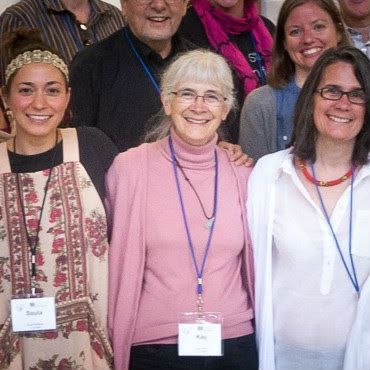
Kay Pranis returns to EMU Feb. 5-7 to teach a three-day, weekend course that will introduce the foundational values and philosophy of the circle process.
Share
A group of senators is seeking more information on the agency’s efforts to inform consumers and health care providers about prescription drug costs.
Share
Sports concussions continue to garner attention and the conversation will continue over the holidays with the release of the new feature film, “Concussion.”
 Share
Share
In response to Governor McAuliffe’s unveiling today of his proposed biennial budget, Senate Democrats made the following statements.
 Share
Share
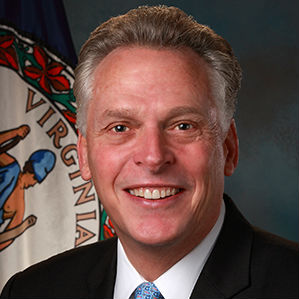
The transcript of Gov. Terry McAuliffe’s prepared remarks as he unveiled his proposed 2016-2018 state budget to the Virginia General Assembly.
 Share
Share
For over 28 years, the Dayton Farmers Market has provided its customers with quality products, sold by local shop-owners, in a friendly atmosphere.
 Share
Share
Researchers at the University of Virginia School of Medicine have identified the cells that give rise to the blood vessels within the kidney.
 Share
Share
Media coverage of U.S. campus rape and sexualized violence is significantly skewed toward the bylines and voices of men, according to a Women’s Media Center report released today.
Share
A team at Virginia Tech has devised a system to recover ammonia from wastewater using a natural electrochemical engine: bacteria.


Independent media doesn’t belong to billionaires or big companies – it belongs to you. If you find value in our work, please consider a contribution.