
Cell imaging, mathematical modeling to understand cancer progression

 Share
Share
Cell division is a fundamental process that organisms need to reproduce, grow, and make repairs.
 Share
Share
Cell division is a fundamental process that organisms need to reproduce, grow, and make repairs.
 Share
Share
Colon cancer is a more common type of cancer that many people are becoming diagnosed with.
 Share
Share
Scientists have identified an oncogene (a cancer-causing gene) responsible for glioblastoma, the deadliest brain tumor.
 Share
Share
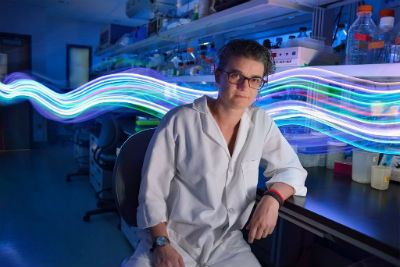
Carla Finkielstein, a cancer researcher and an associate professor of biological sciences in Virginia Tech’s College of Science, will join the Fralin Biomedical Research Institute at VTC on July 1.
 Share
Share
Humans and dogs share many aspects of their lives: food, homes, and a deep bond of mutual affection.
 Share
Share
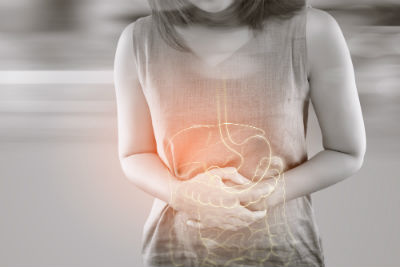
The pancreas is one of the organs in the digestive system. It rests behind the stomach and regulates blood sugar levels by secreting the hormones insulin, glucagon, somatostatin, and pancreatic polypeptide.
 Share
Share
One mission drives Jessica Gannon. She is focused on finding a cure for pancreatic cancer.
Share
What we eat can affect the outcome of chemotherapy – and likely many other medical treatments – because of ripple effects that begin in our gut, new research from the University of Virginia suggests.
 Share
Share
Cancer research and treatment for the region’s pets and people got a boost when a new computed tomography scanner was delivered to the Health Sciences and Technology Campus in Roanoke.

 Share
Share
Being a cancer patient and dealing with different treatments is stressful. The current COVID-19 crisis only adds to the anxiety of people who are dealing with cancer diagnosis which makes them feel overwhelmed.


We don’t take press releases or official statements as the final word. Digging in to get the whole story takes time and resources.