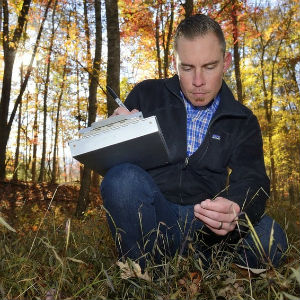
Virginia Tech plant ecologist receives grant to study invasive agricultural weed

 Share
Share
A Virginia Tech researcher will spend five years ‘deep in the weeds’ of Johnsongrass research with the help of a $5 million grant from the USDA.
 Share
Share
A Virginia Tech researcher will spend five years ‘deep in the weeds’ of Johnsongrass research with the help of a $5 million grant from the USDA.
 Share
Share
Understanding the nature of signaling pathways is an increasingly important part of biomedical research.
 Share
Share
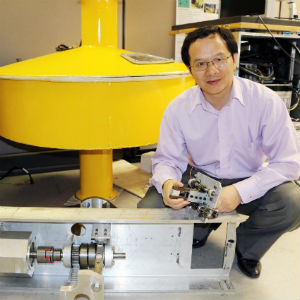
Energy potential from ocean waves could make up 64 percent of the electricity generated from all sources in the U.S.
 Share
Share
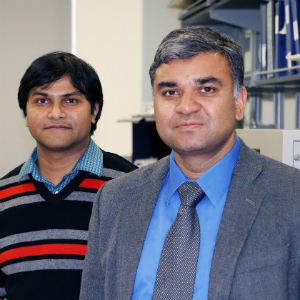
For post-doctoral researcher Deepam Maurya, getting the lead out is not a colloquialism for working fast.
 Share
Share
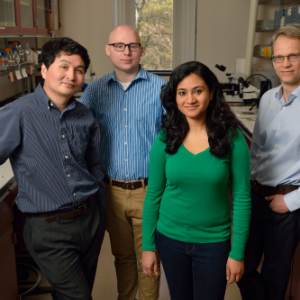
A team of researchers at Virginia Tech has sequenced the Y chromosome in a family of malaria-spreading mosquitoes.
 Share
Share
An international team has discovered that an abnormal amount of chromosomes may be why certain cancers resist medical treatment.
Share
When a stink bug finds a plant to eat, it produces a pheromone that alerts other stink bugs to the food source, similar to the ringing of a dinner bell.
 Share
Share
Many patients choose to end treatment early and risk the return of their cancer rather than suffer such a dramatic detriment to their quality of life.
Share
About five years ago the brown marmorated stink bug migrated into Northern Virginia and began damaging the apple crop and other produce.
 Share
Share
Every year, traumatic brain injury afflicts more than 1.7 million people in the United States and leads to 52,000 deaths.


We don’t take press releases or official statements as the final word. Digging in to get the whole story takes time and resources.